
The last day of Auntie Sheila’s family.
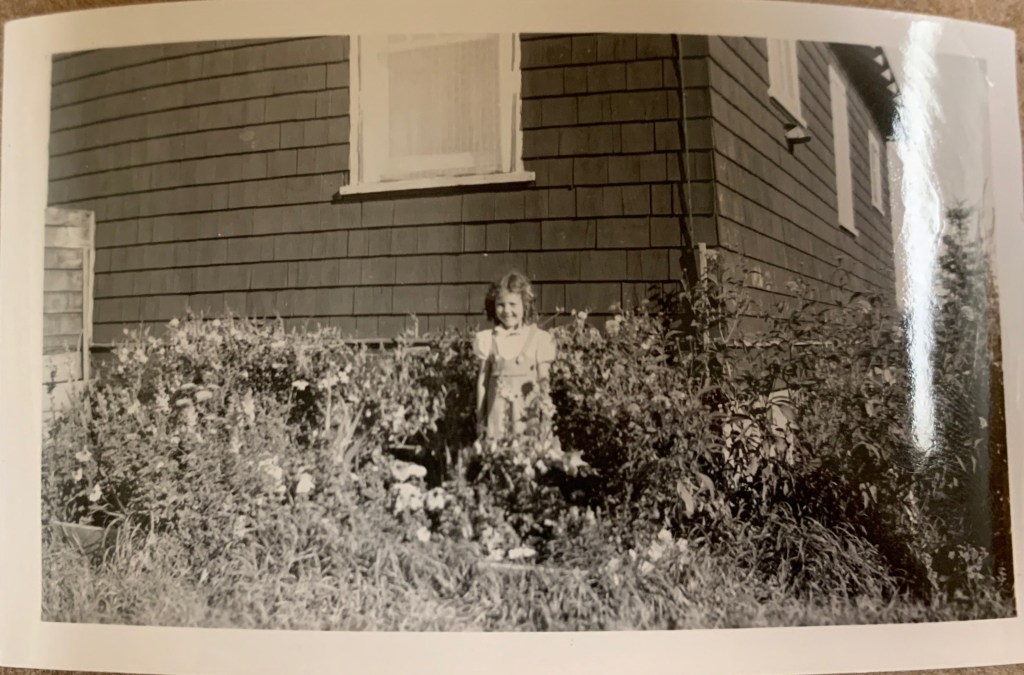
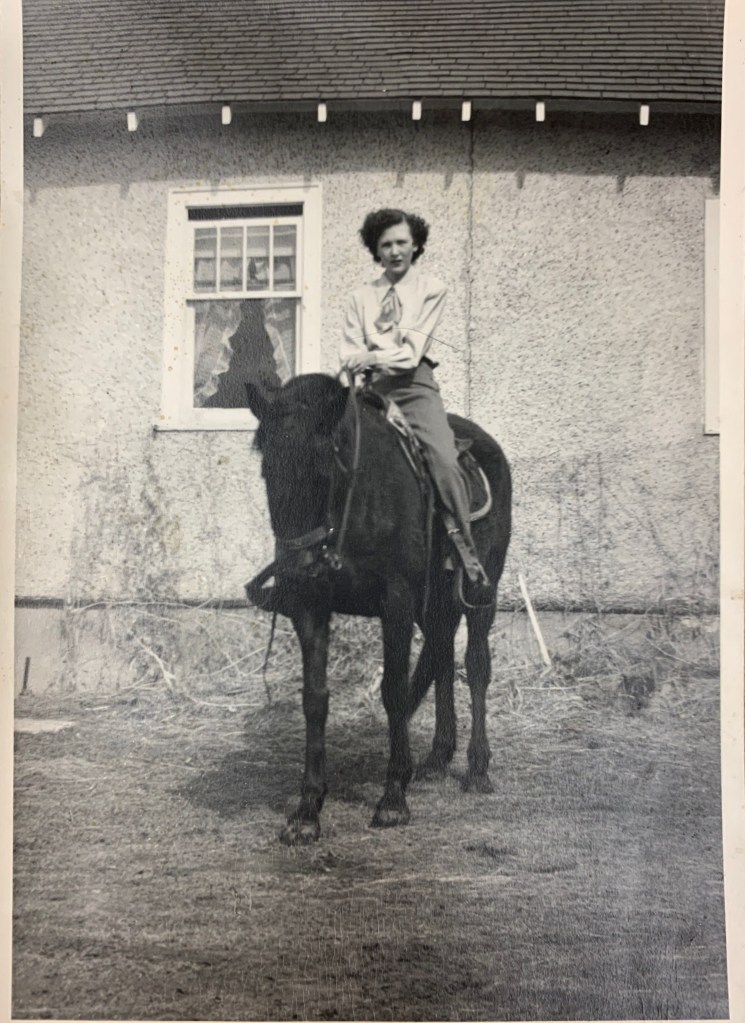
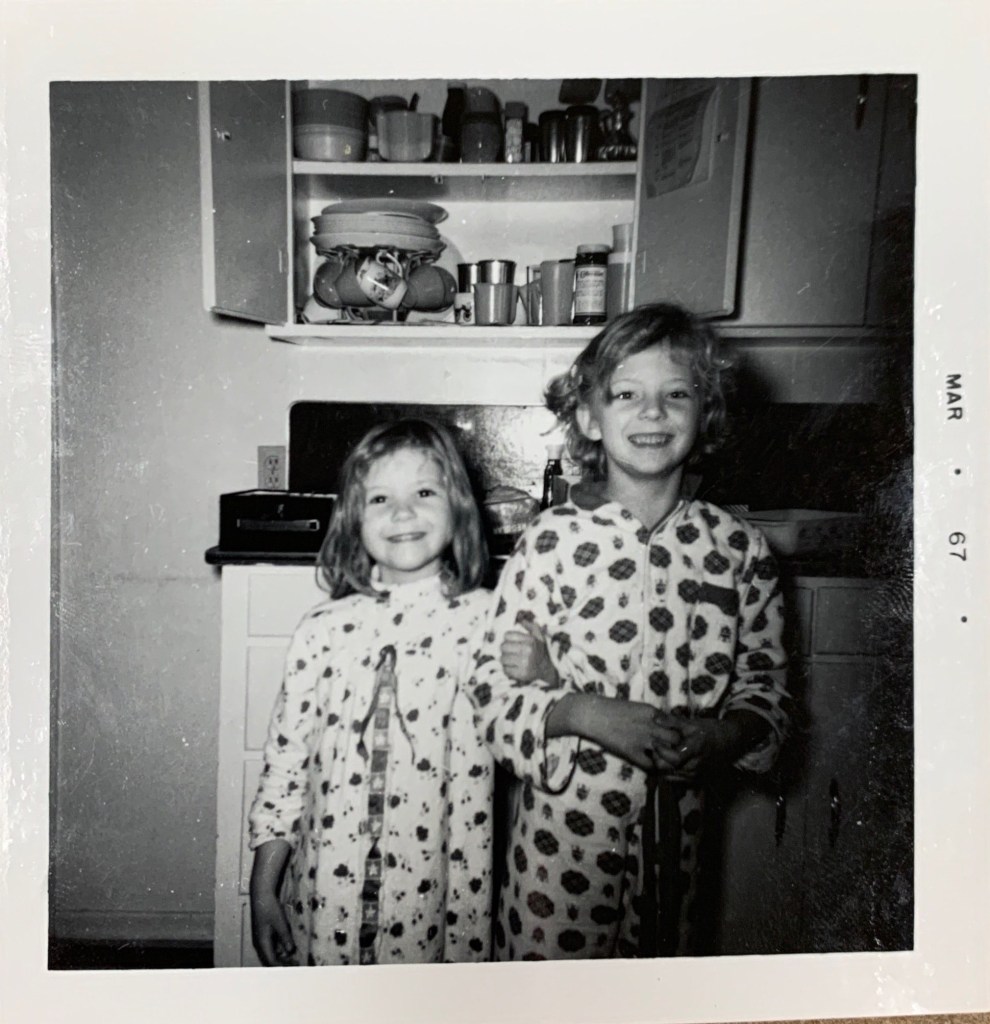
The last day of Auntie Sheila’s family.
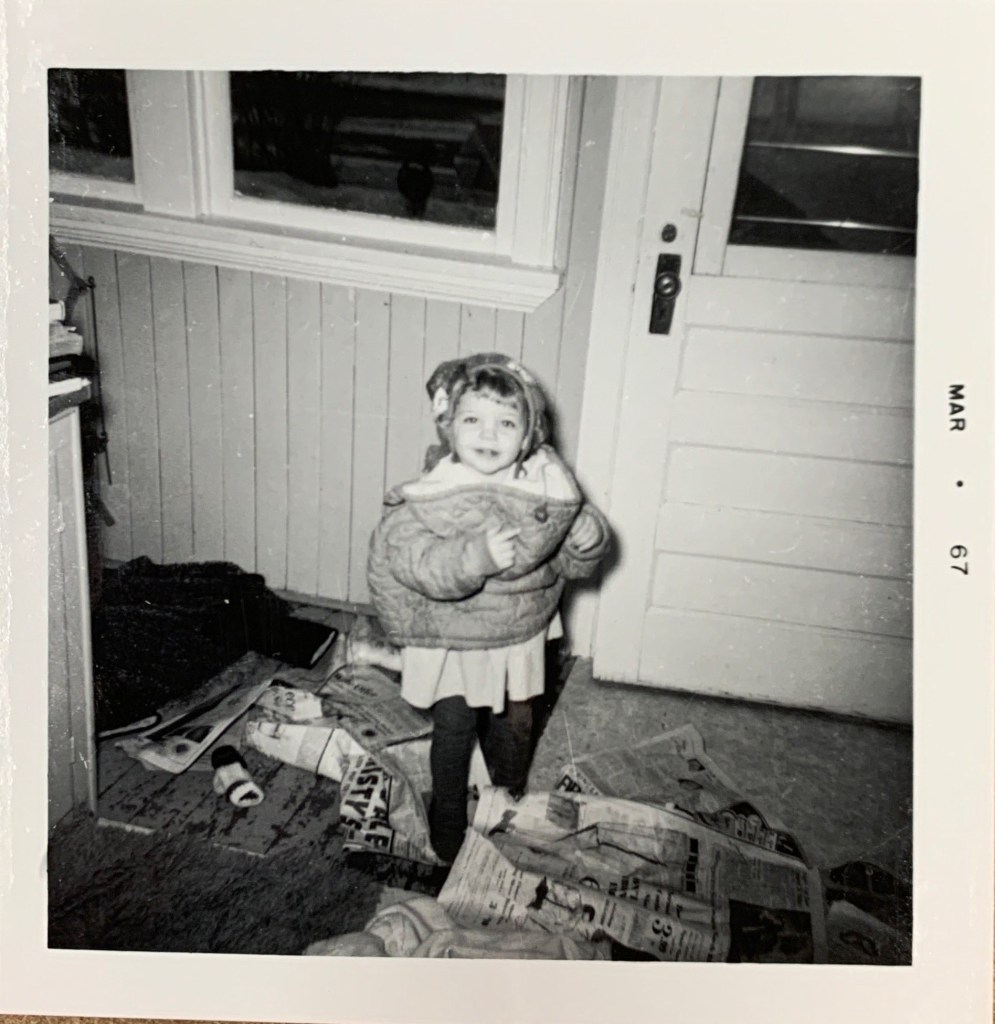
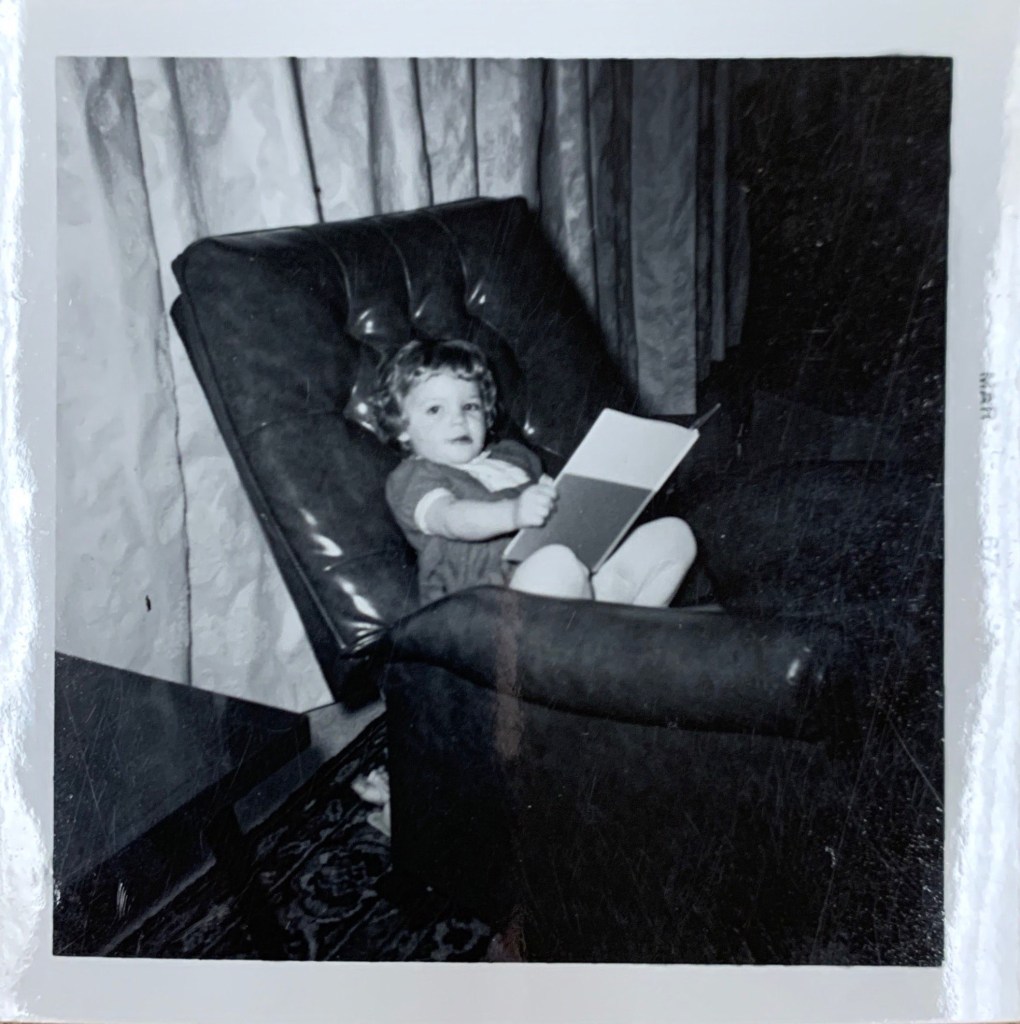
I’ve kind of sorted these photos into files to try and organize them. The next couple of days are of Auntie Sheila and her family.
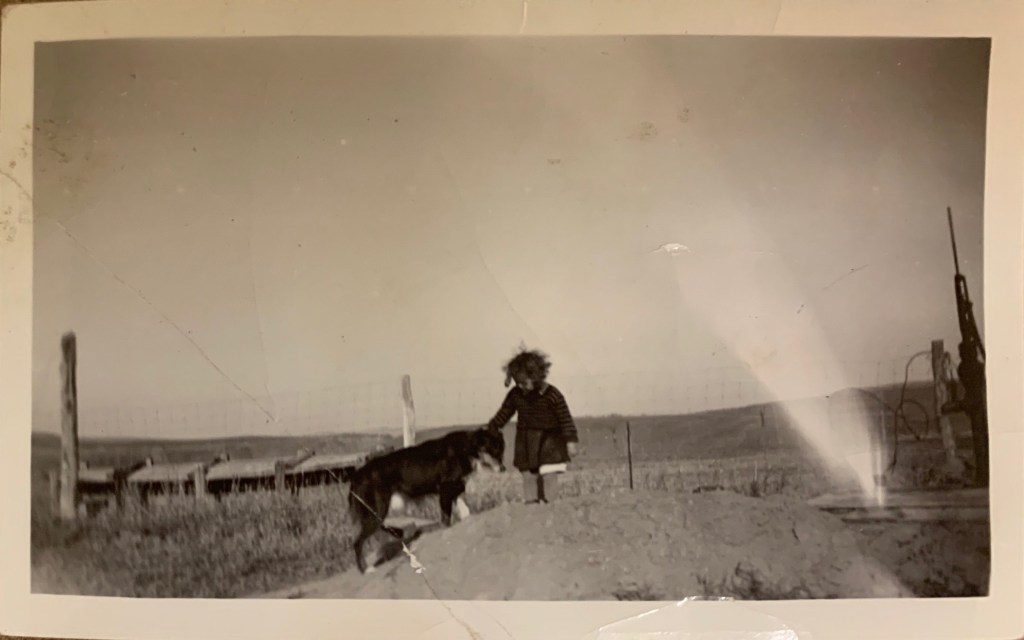
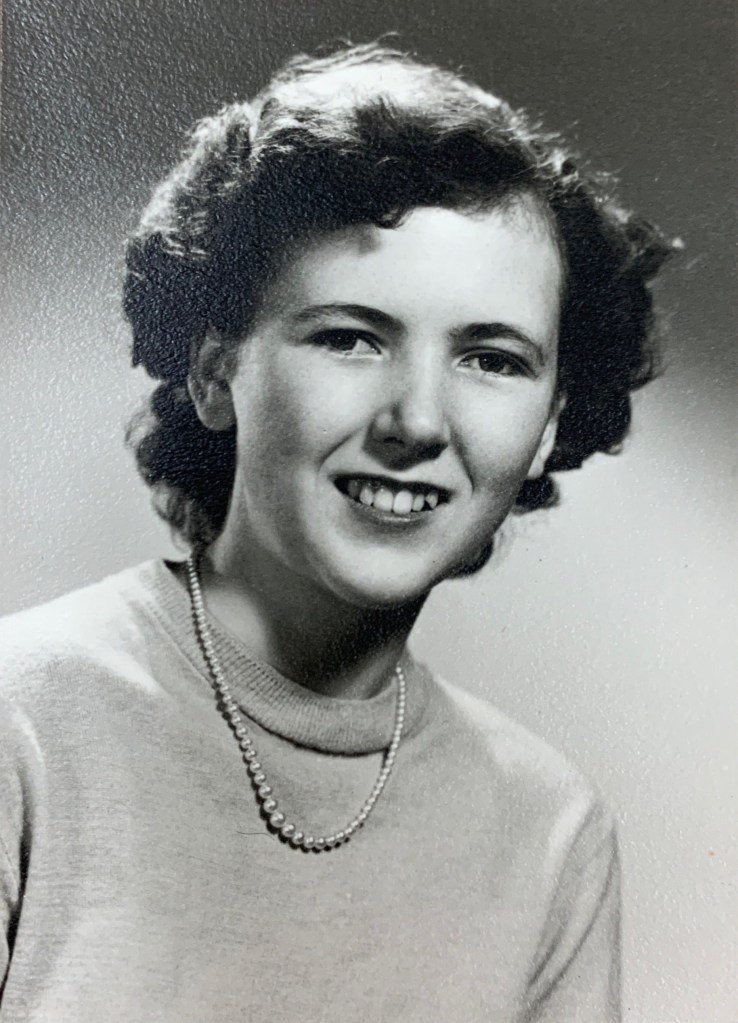
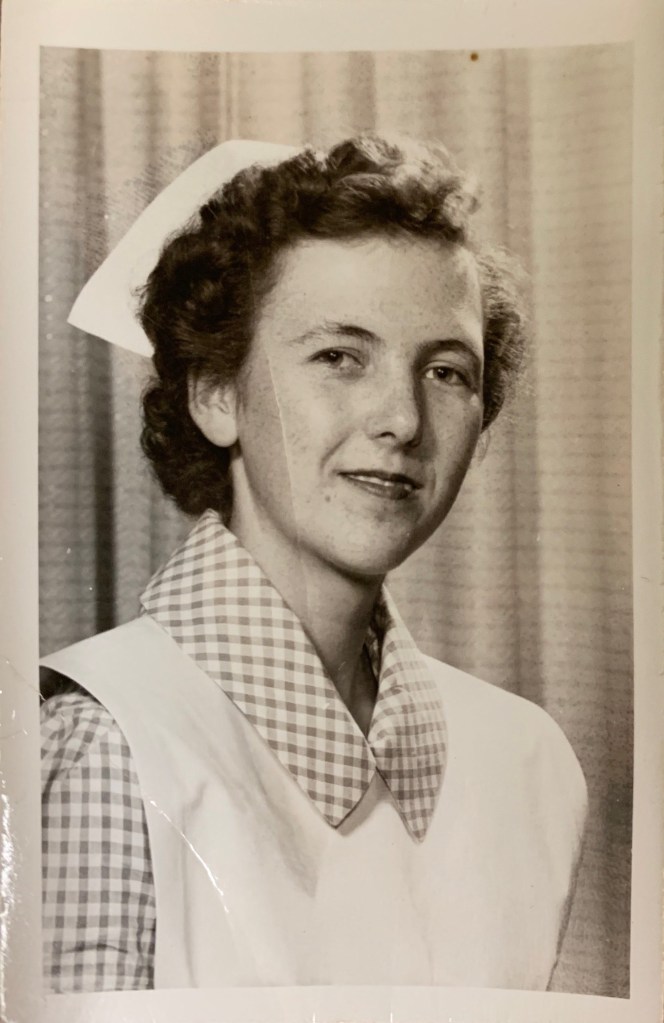
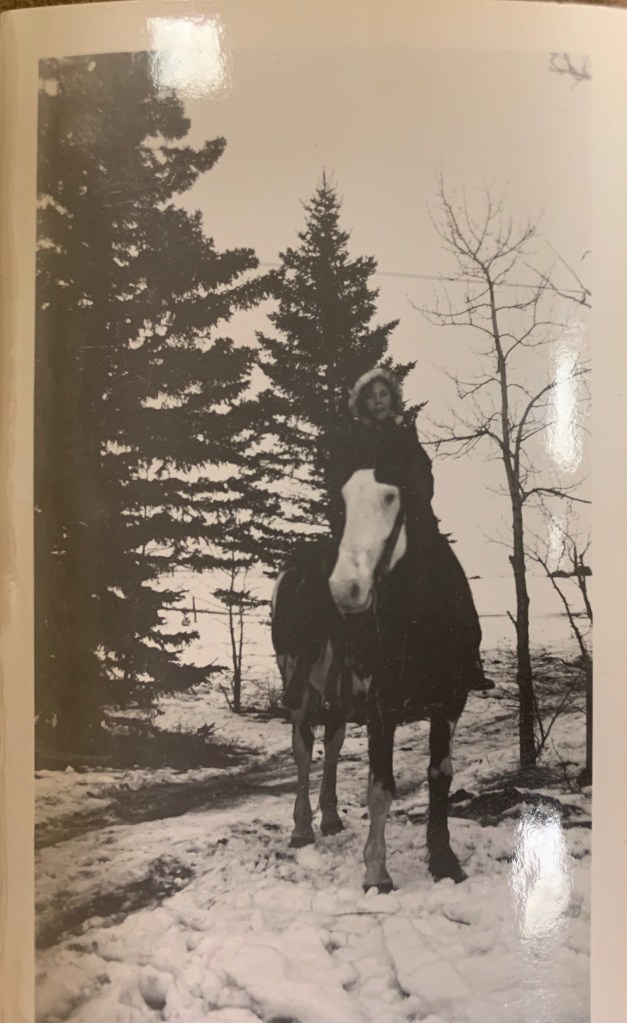
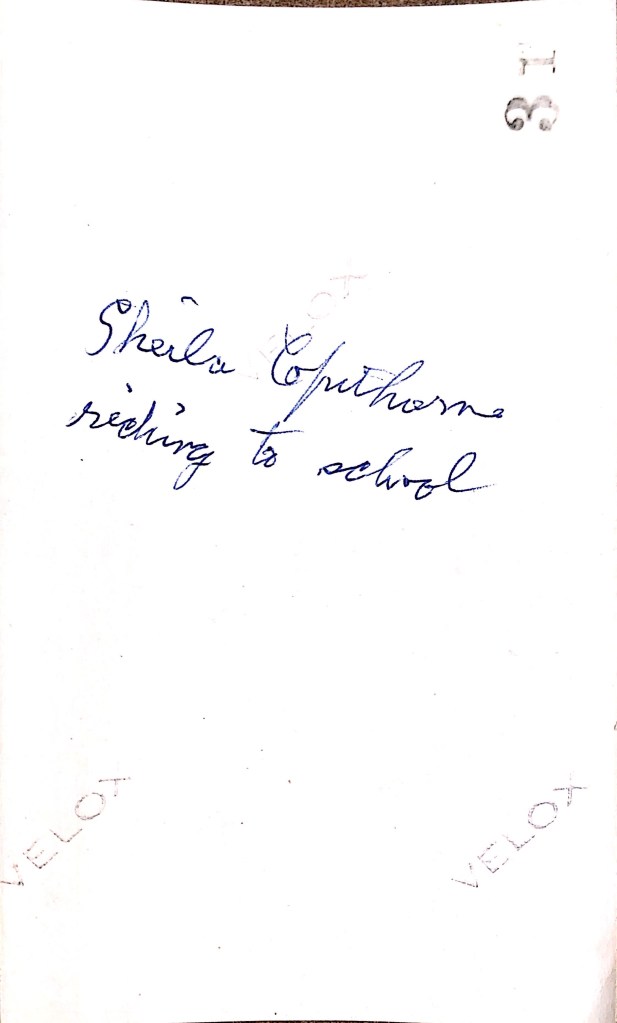
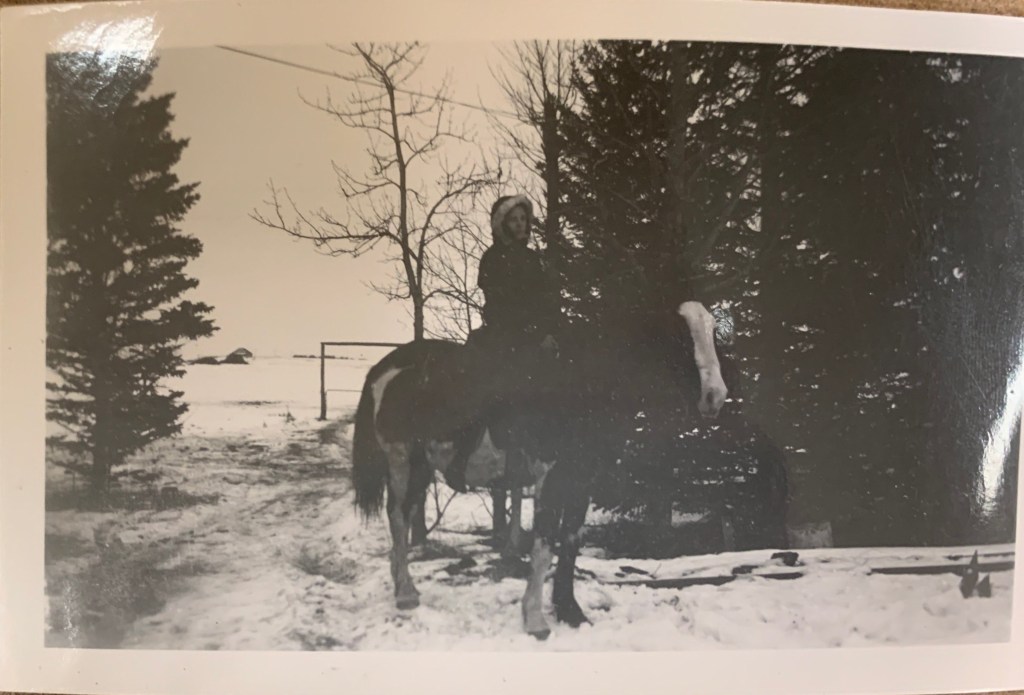
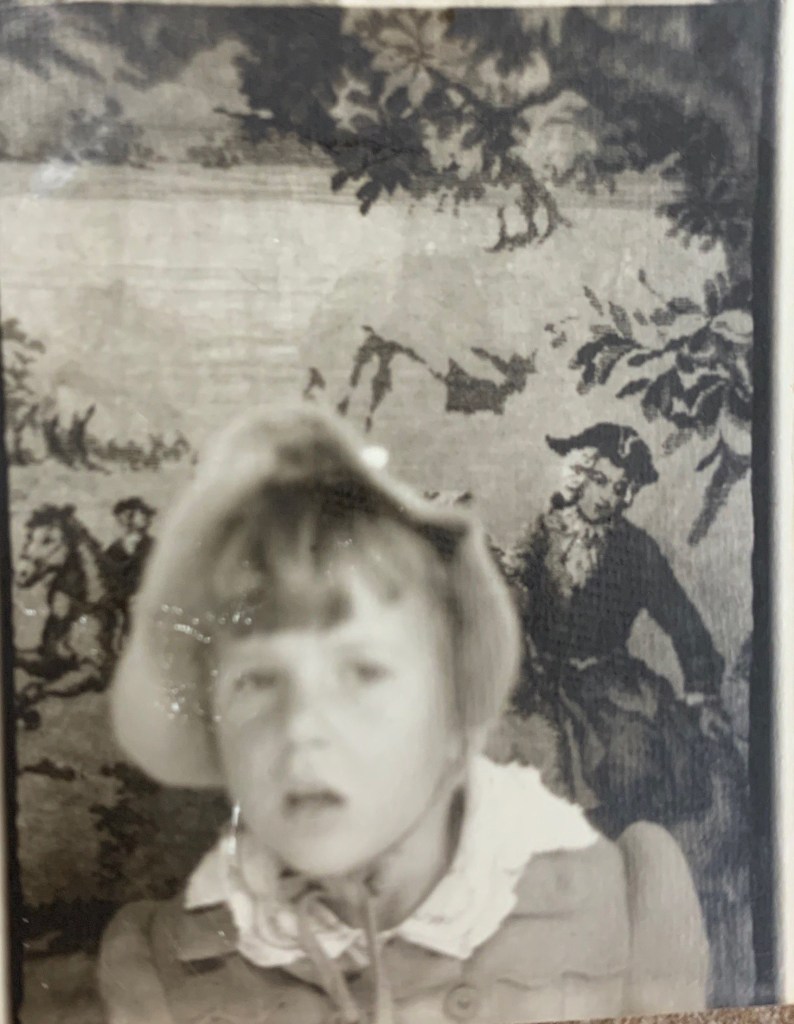
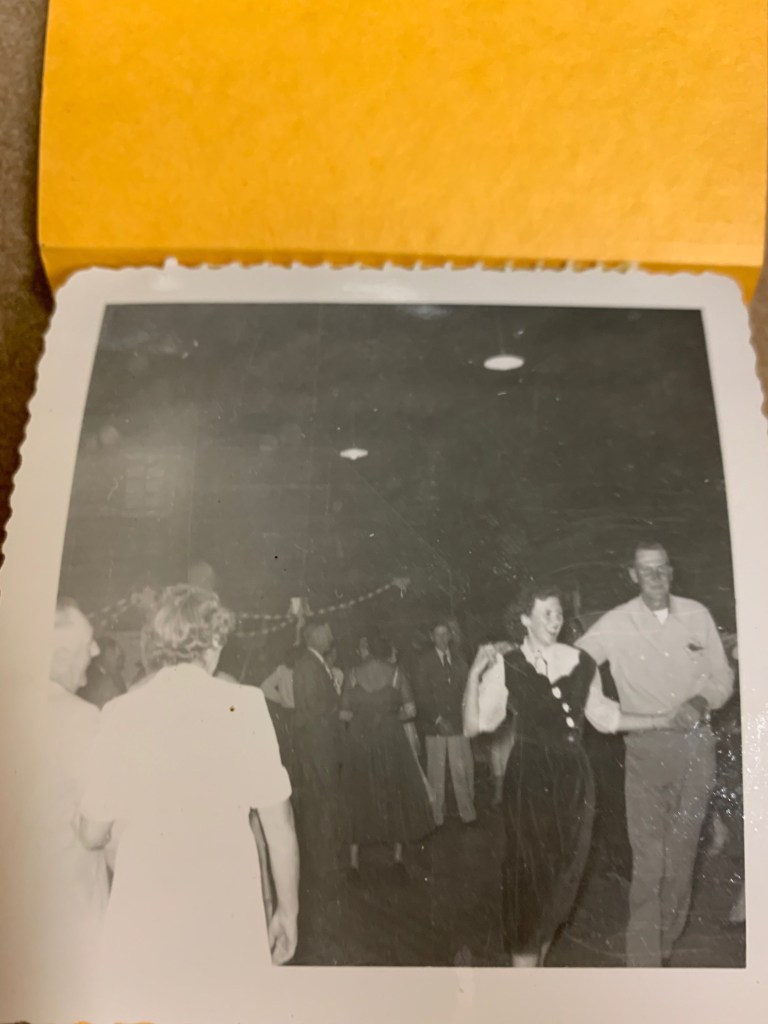
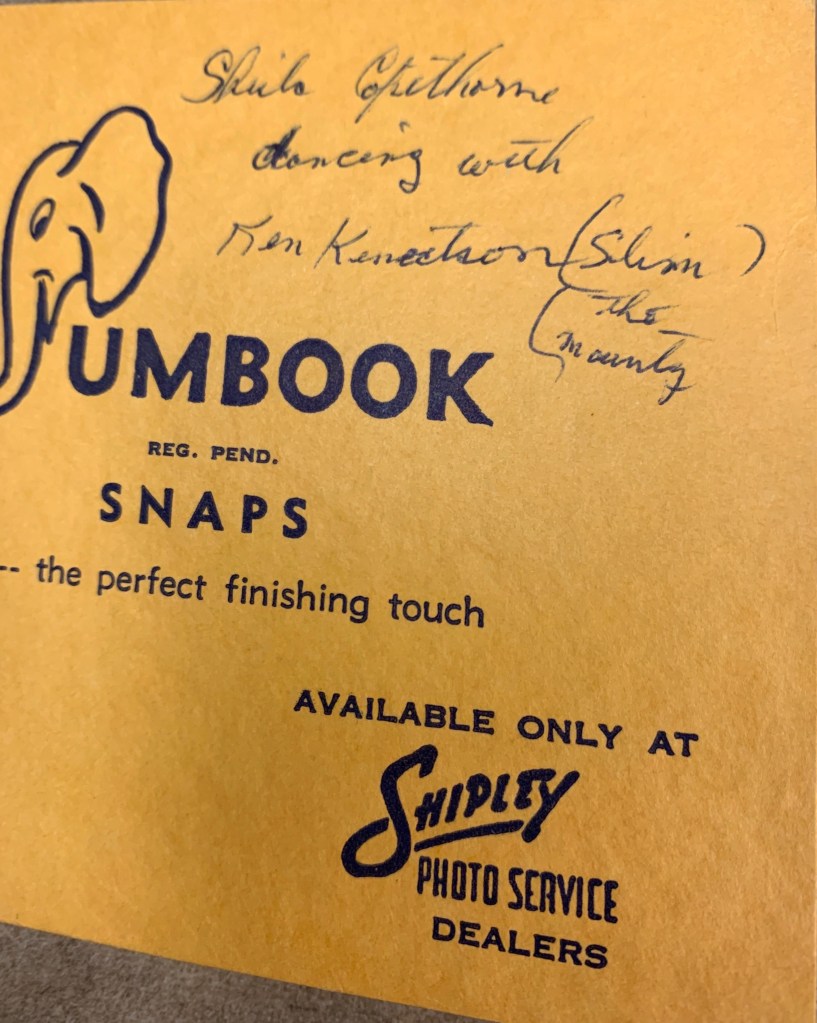
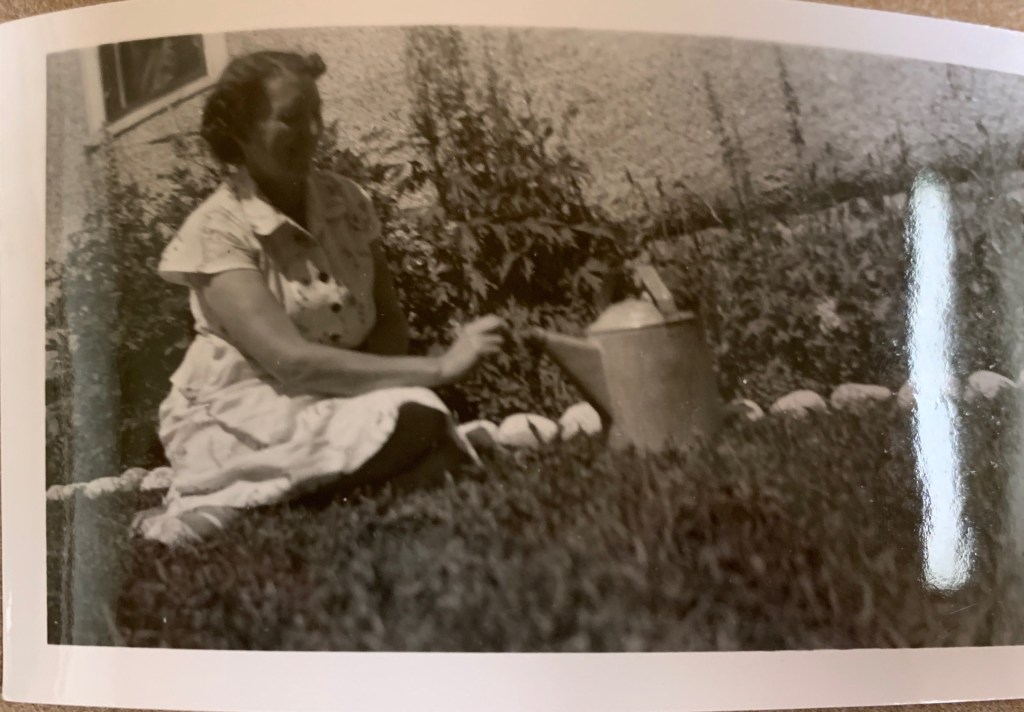
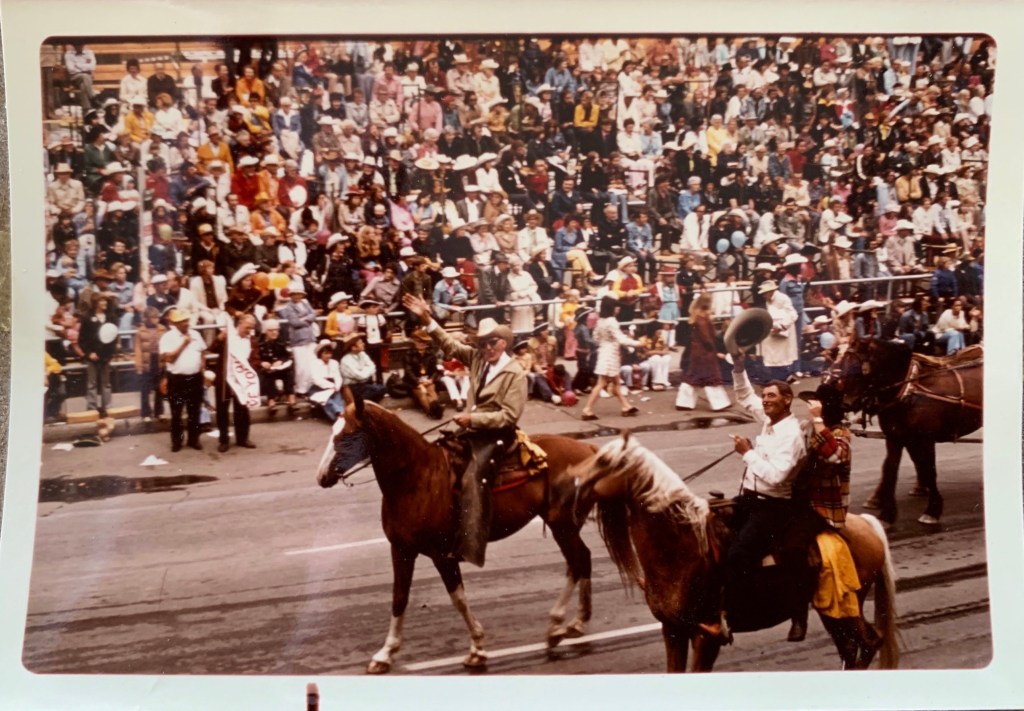
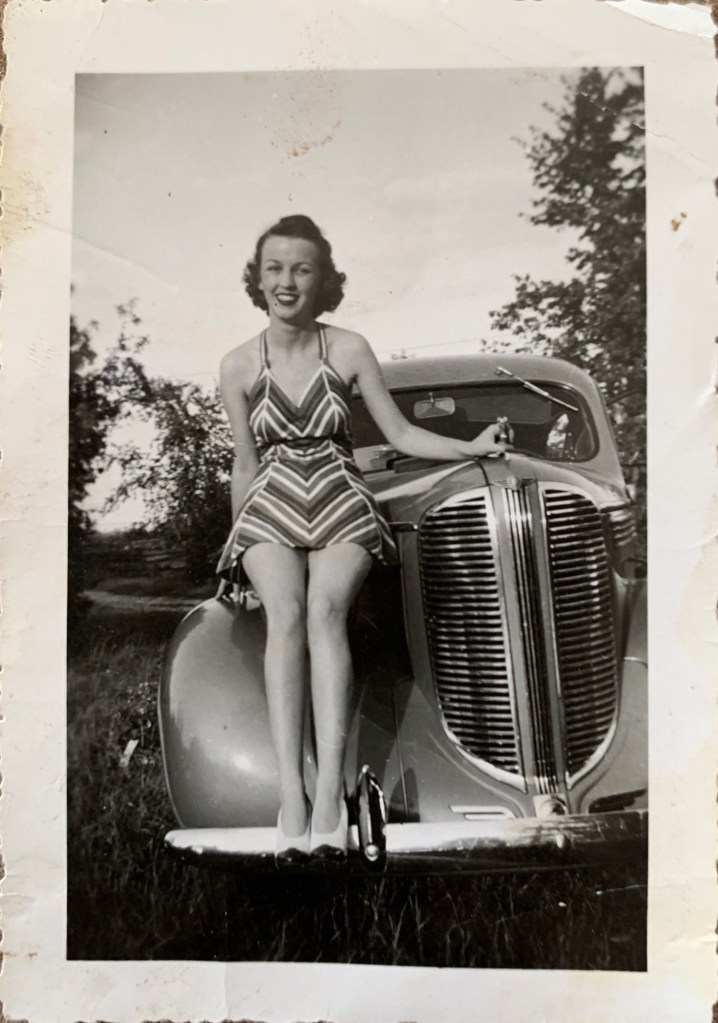
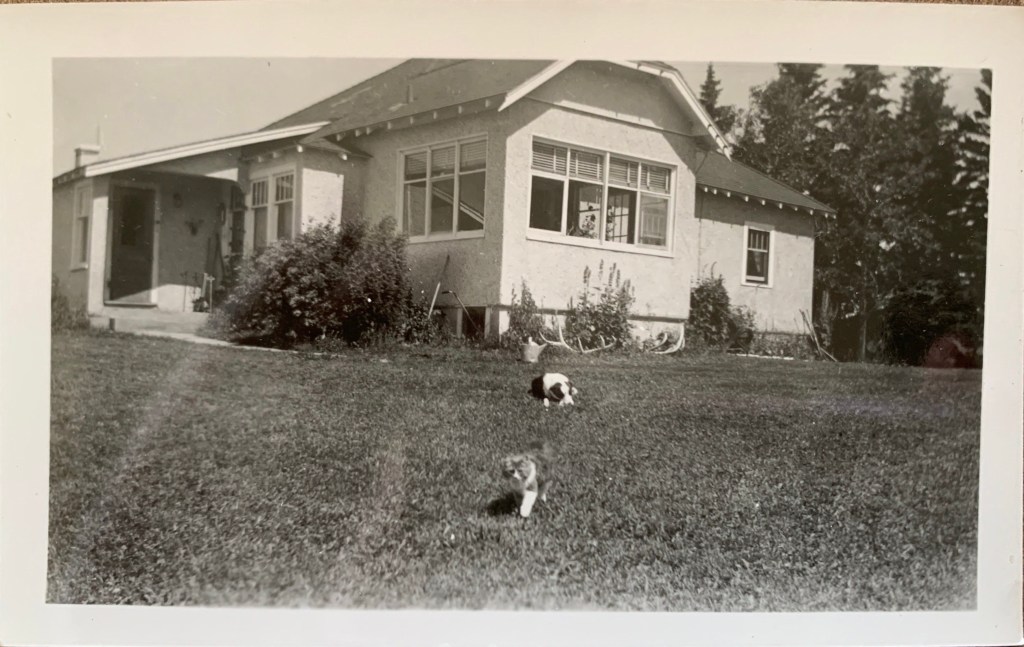
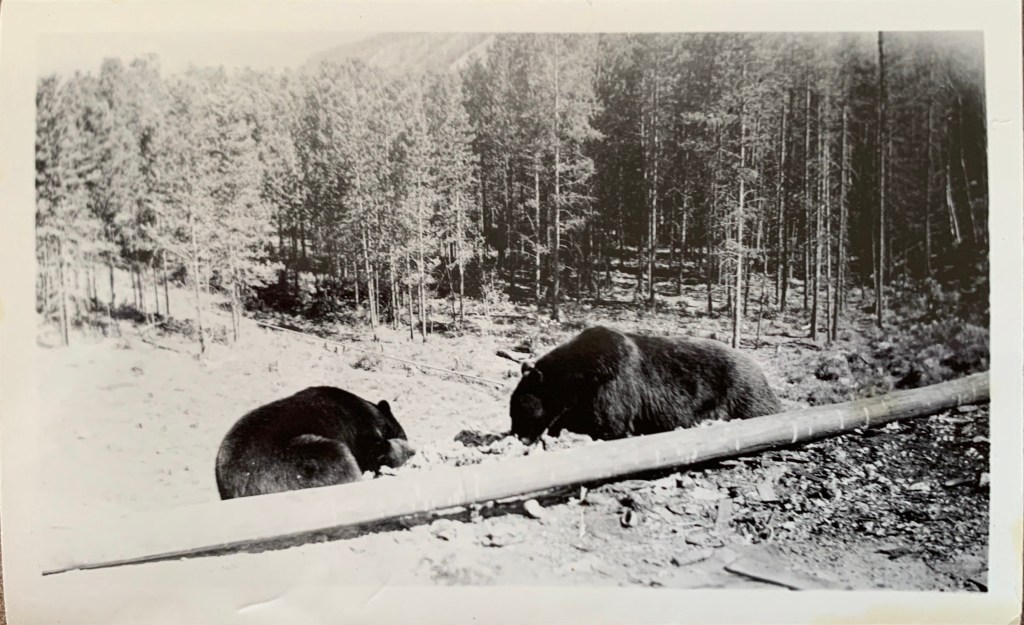
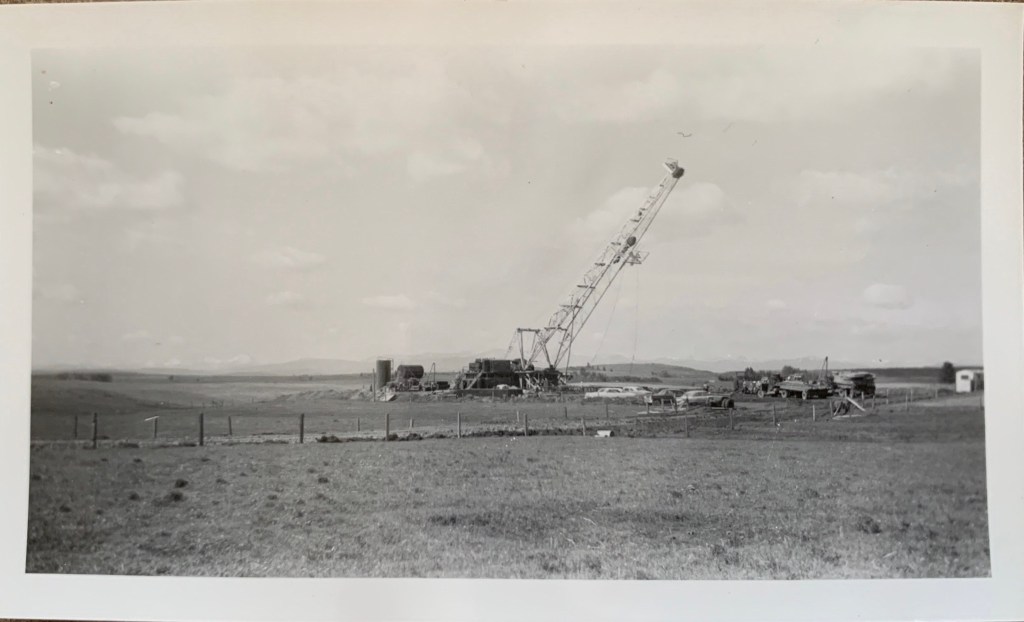
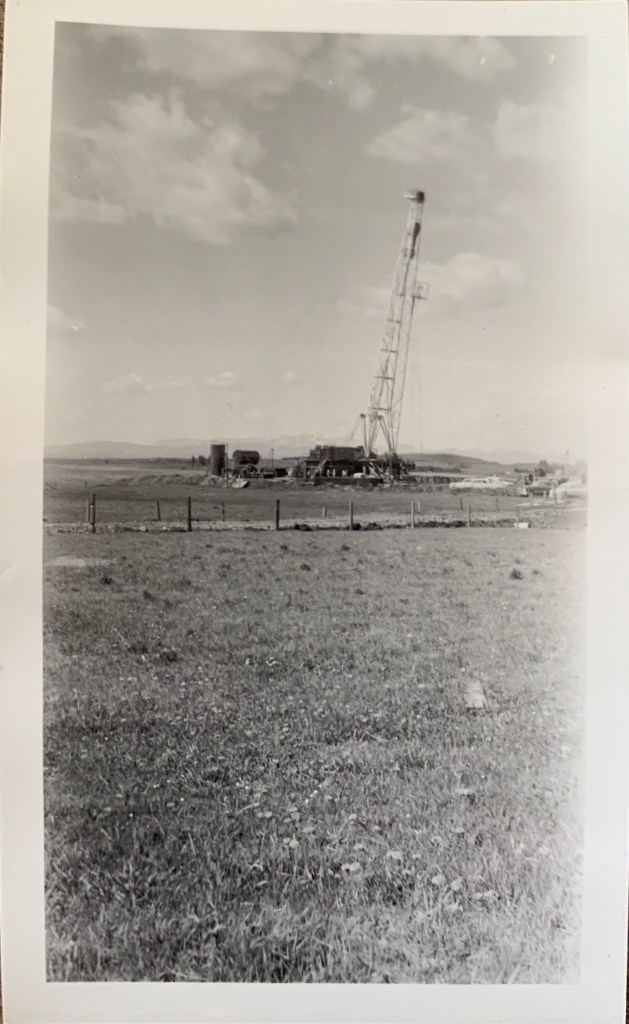
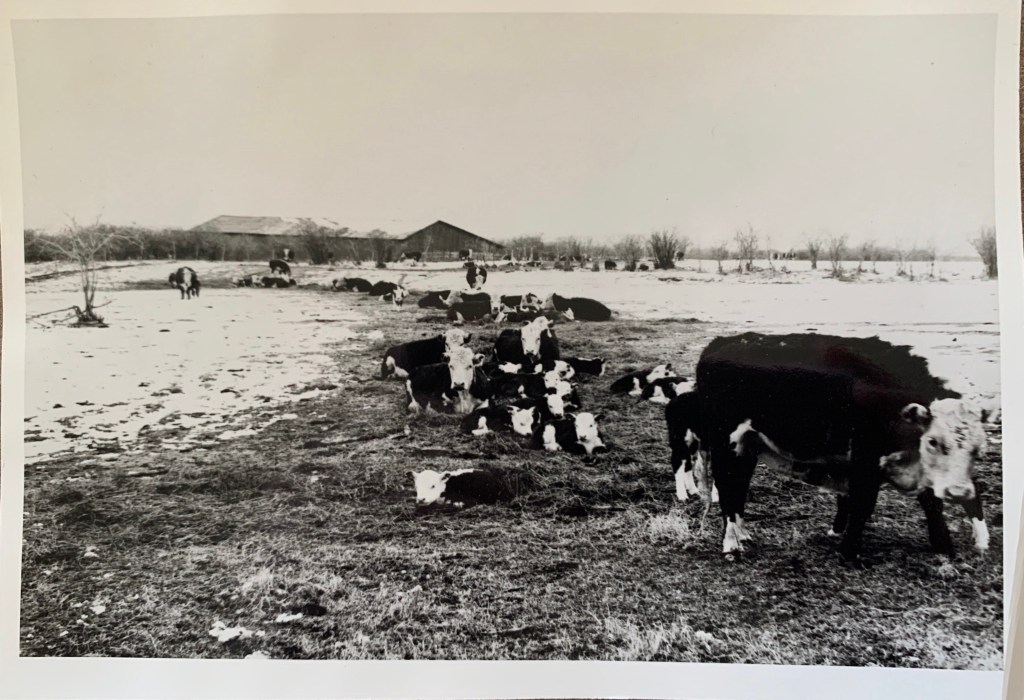
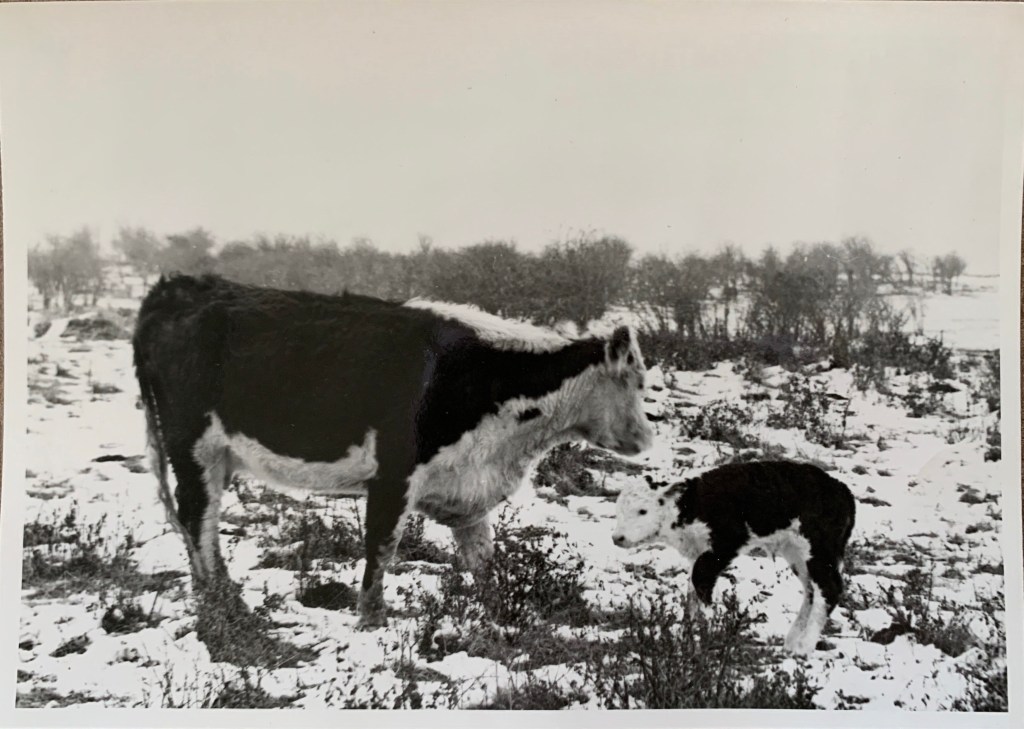
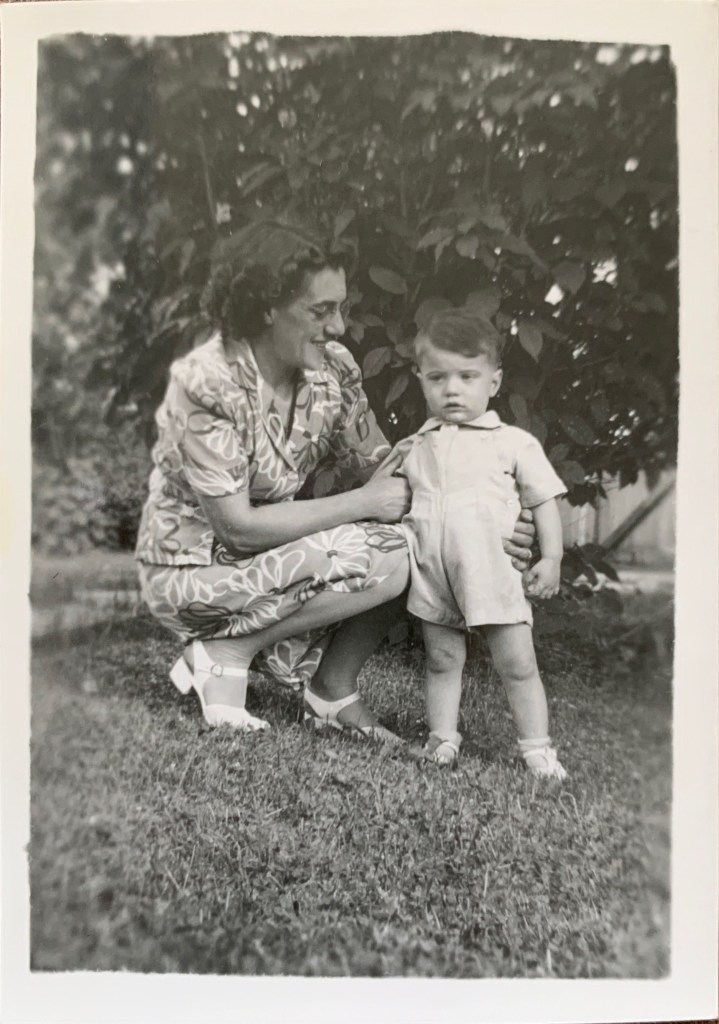
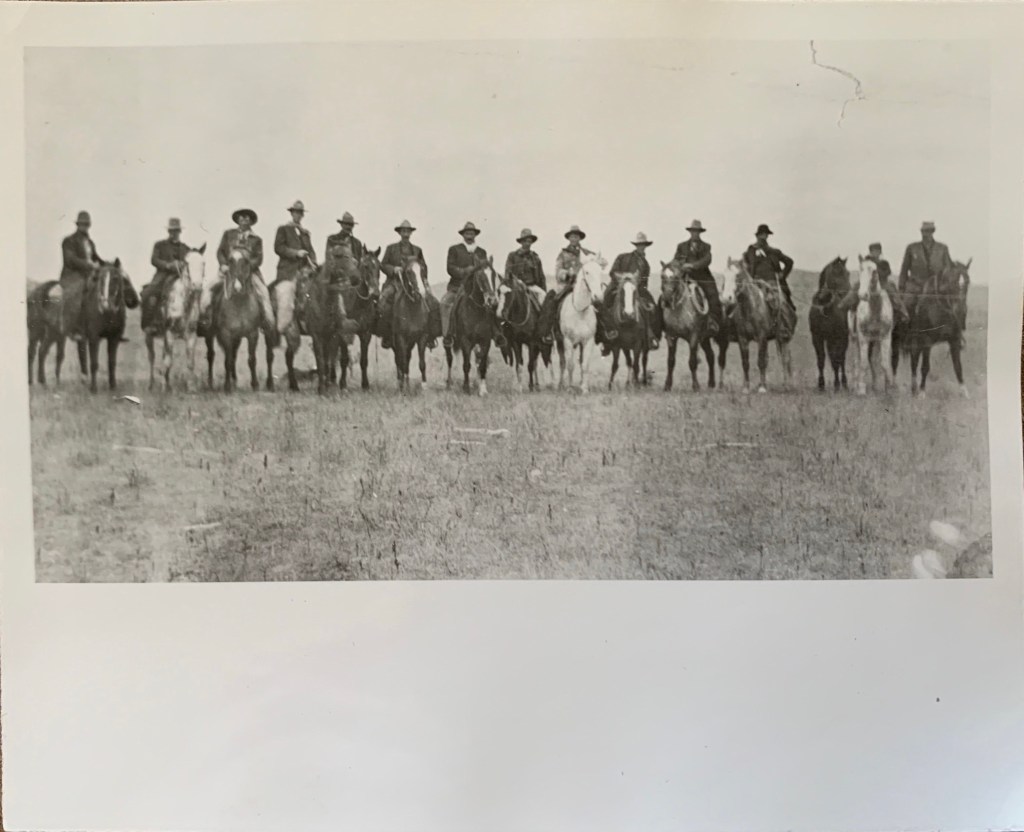
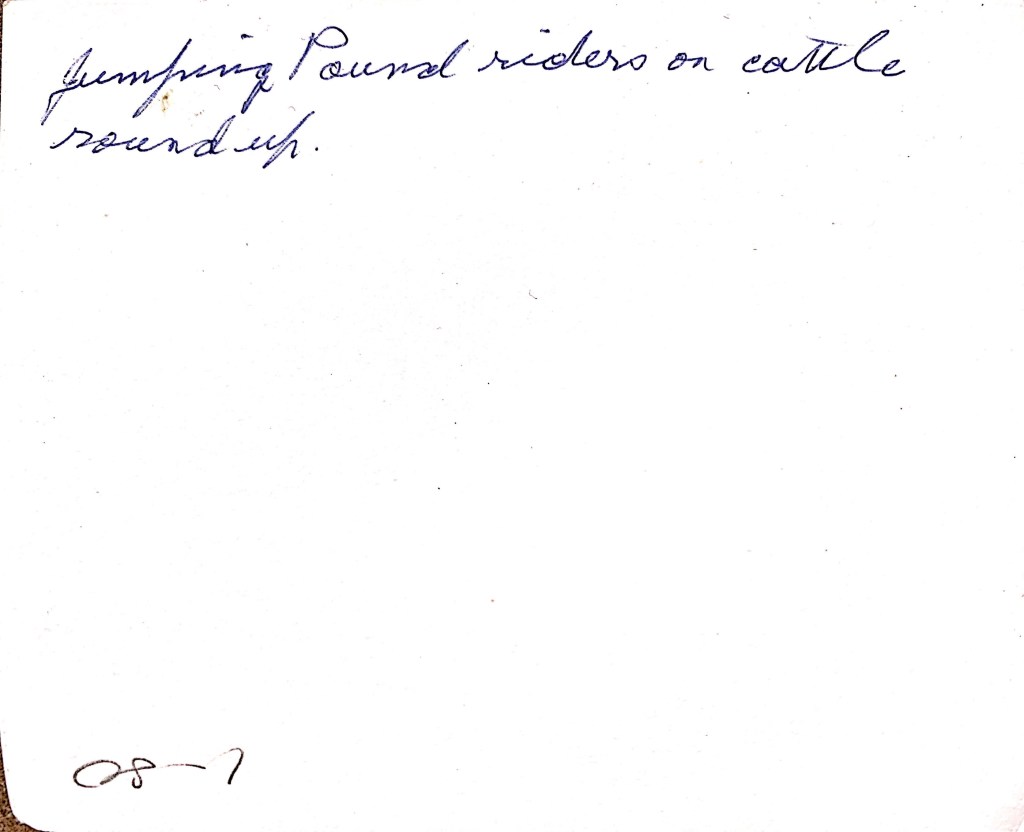
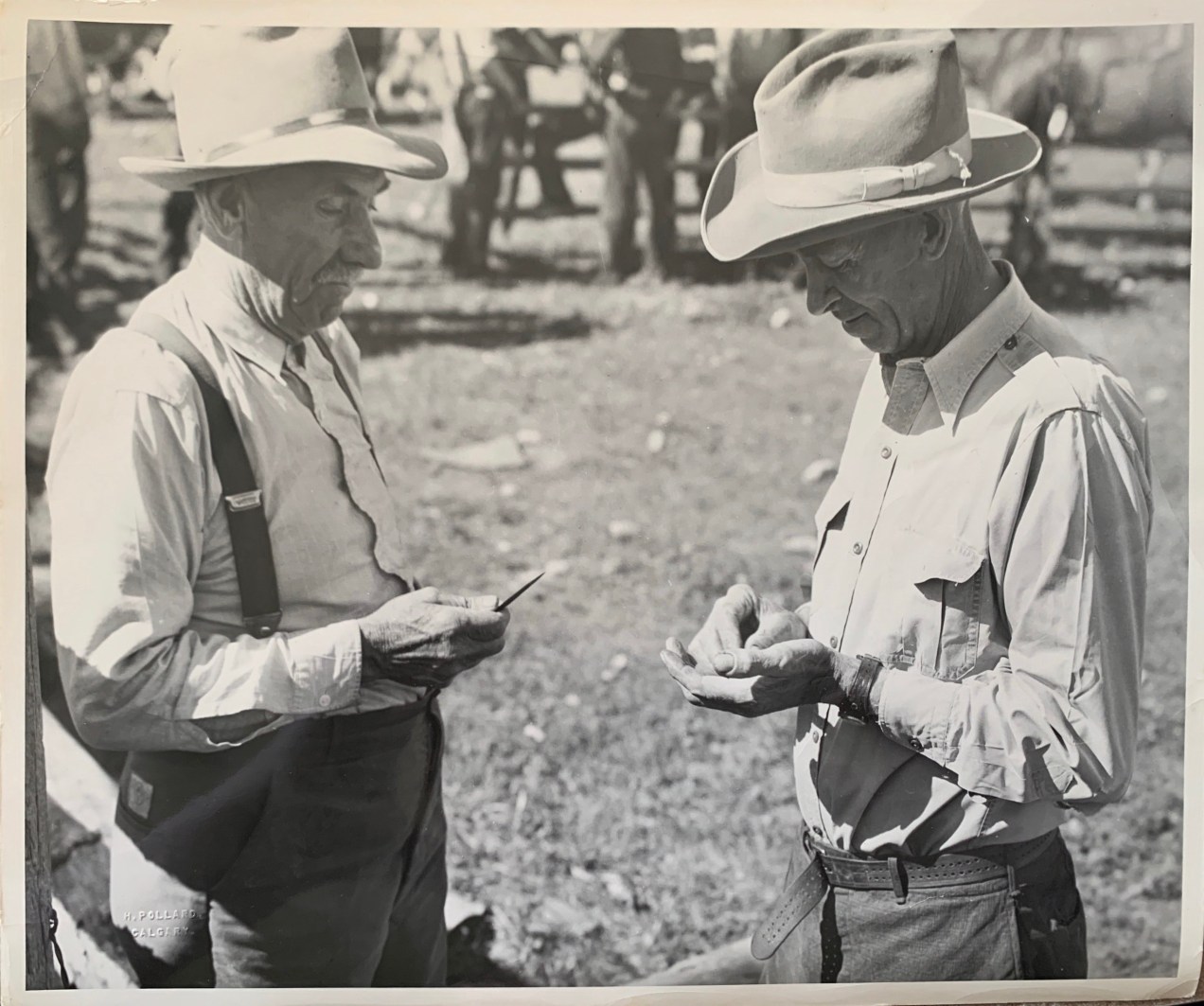
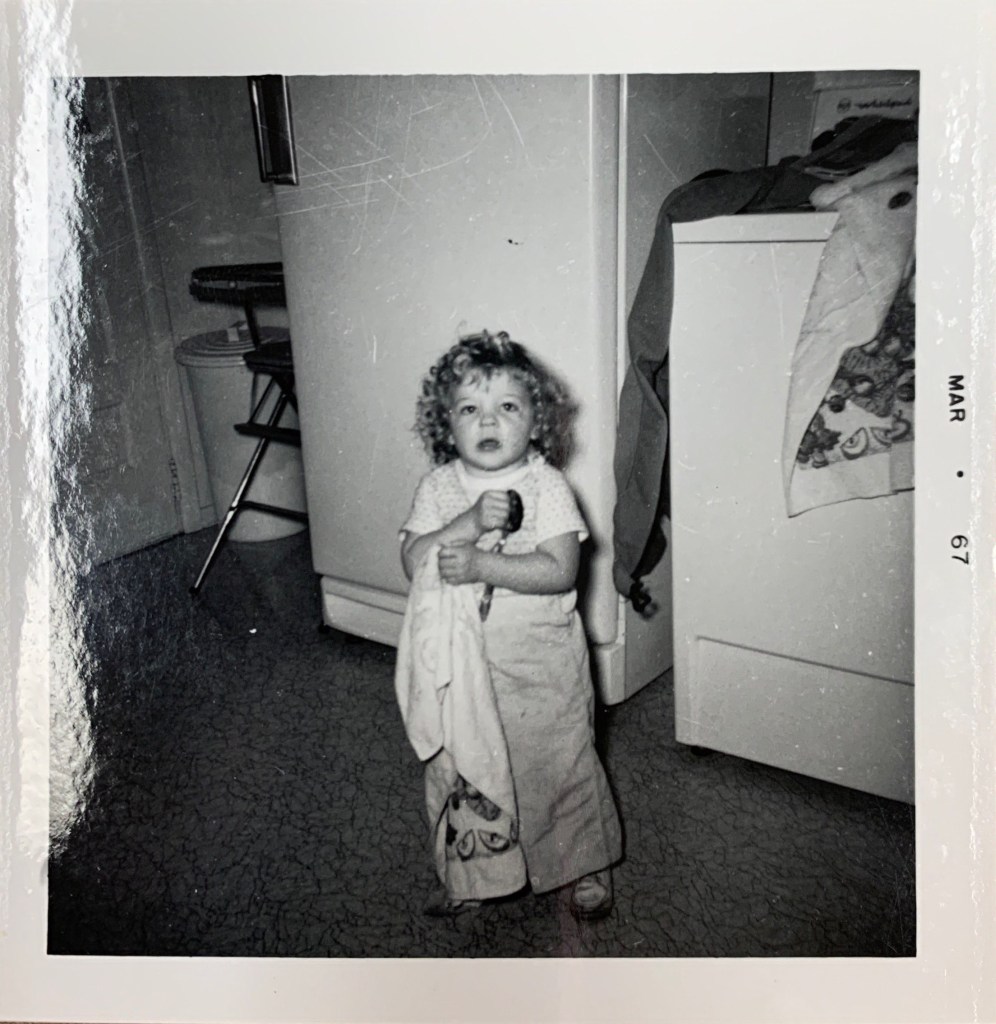
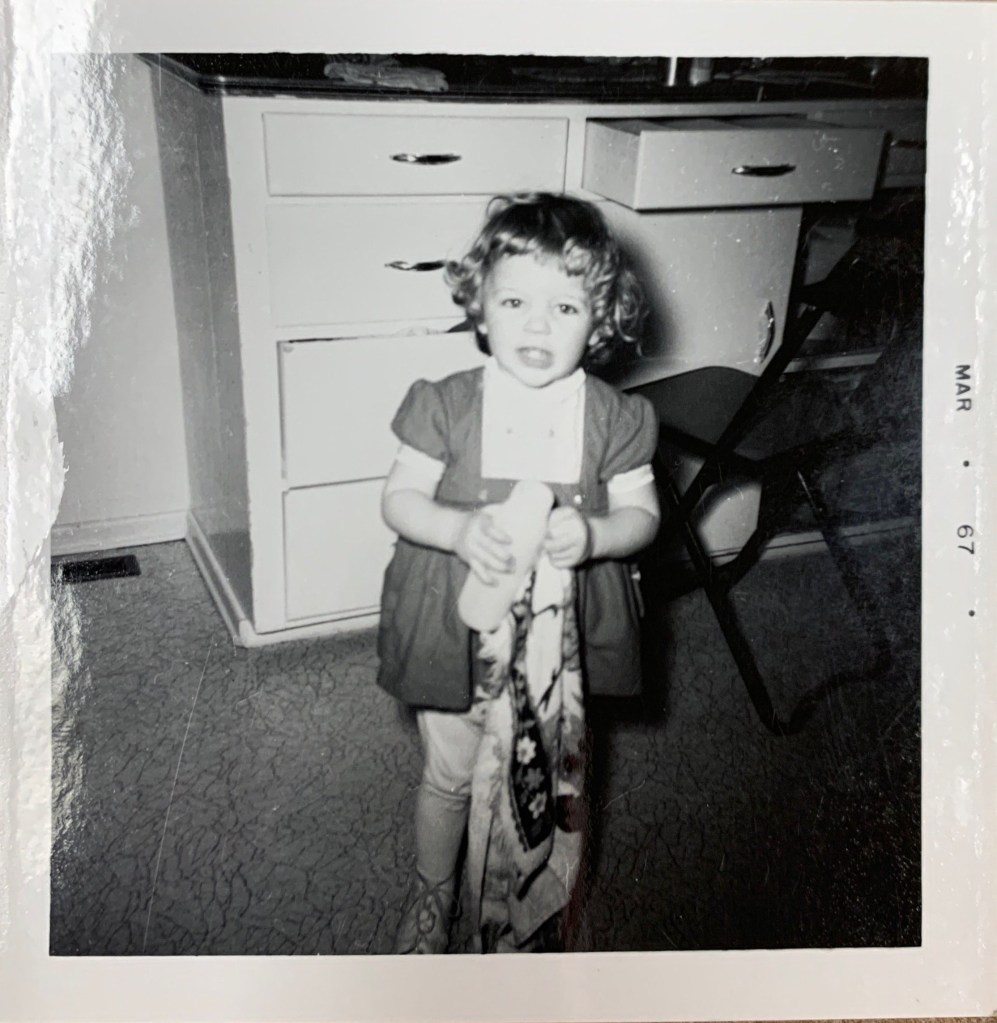
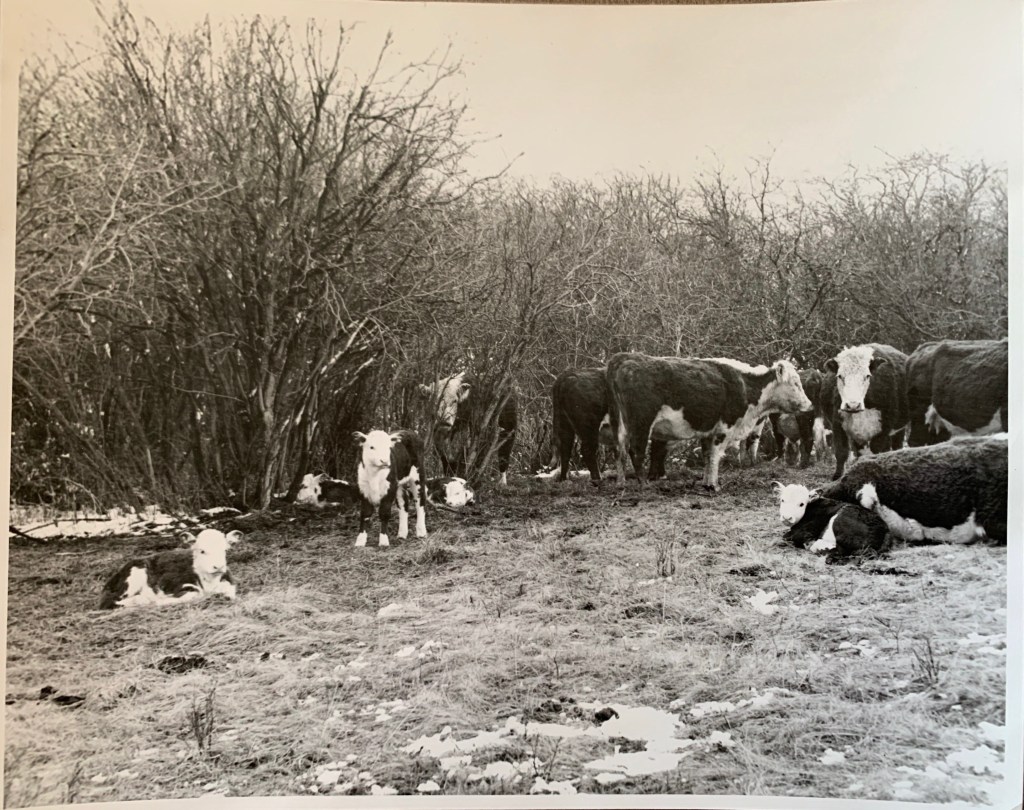
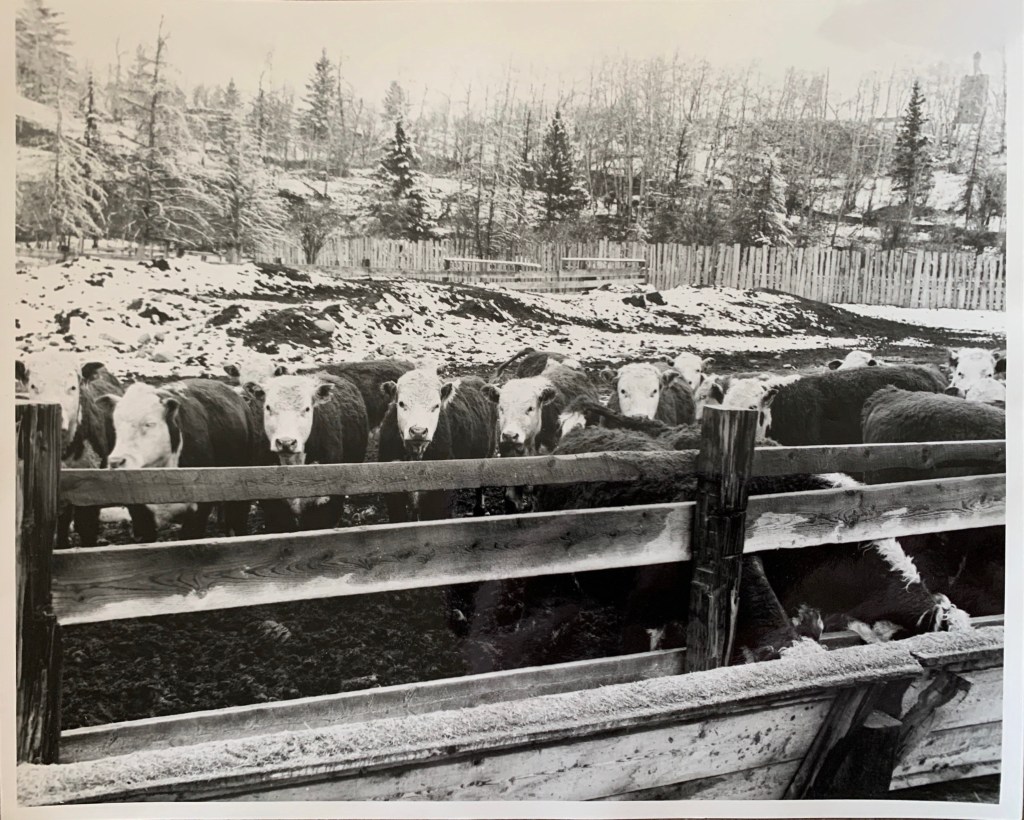
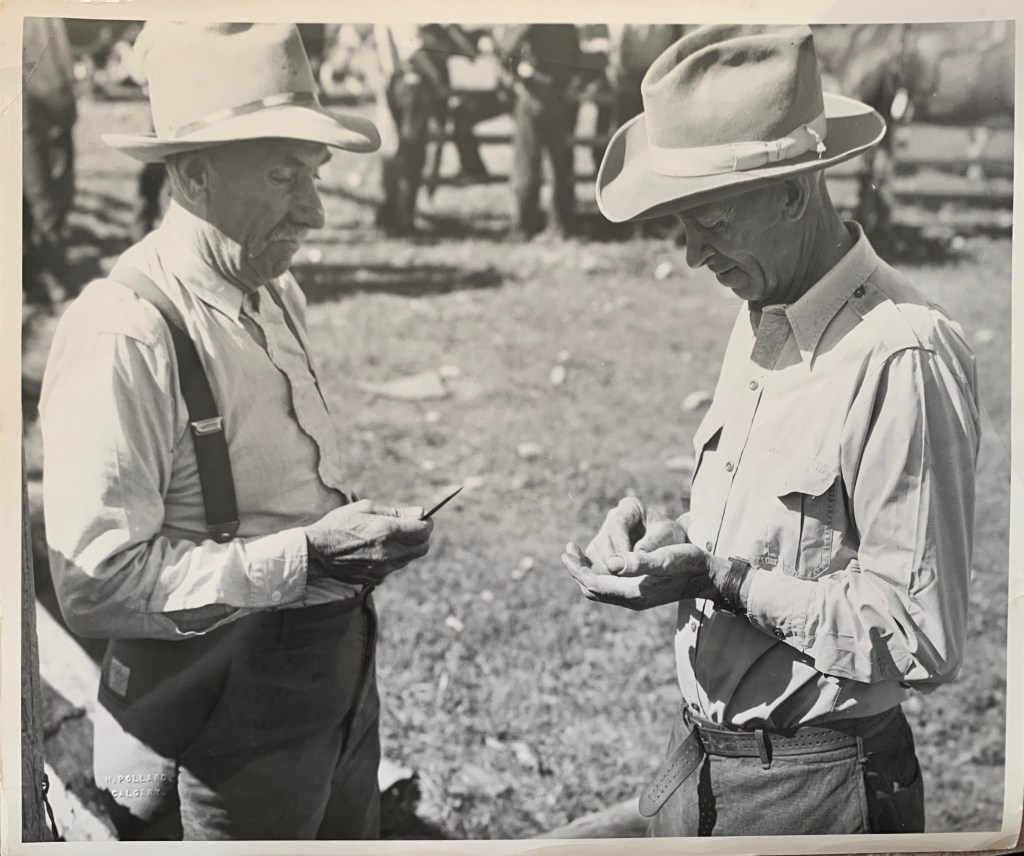
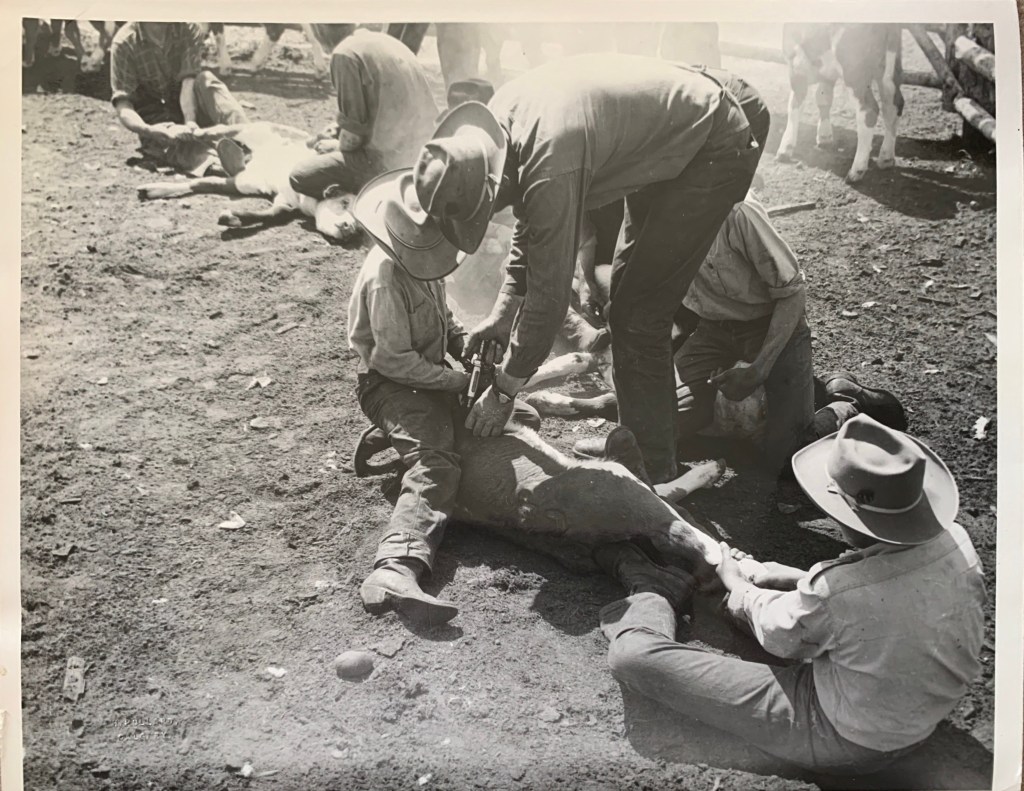
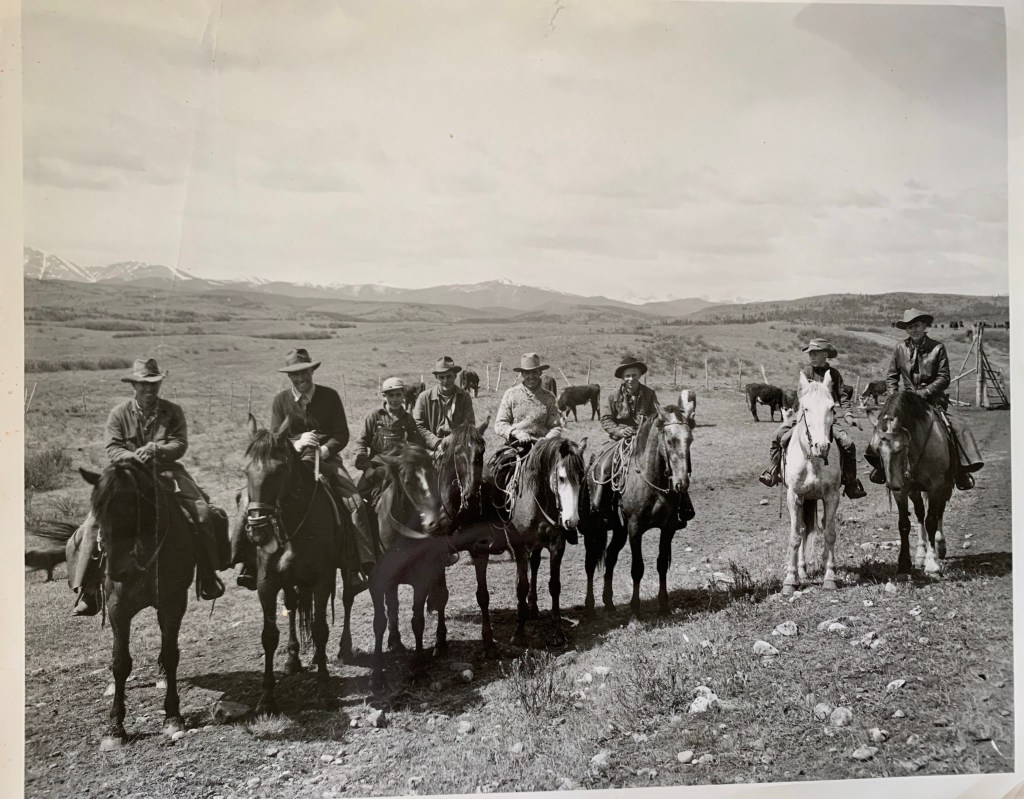
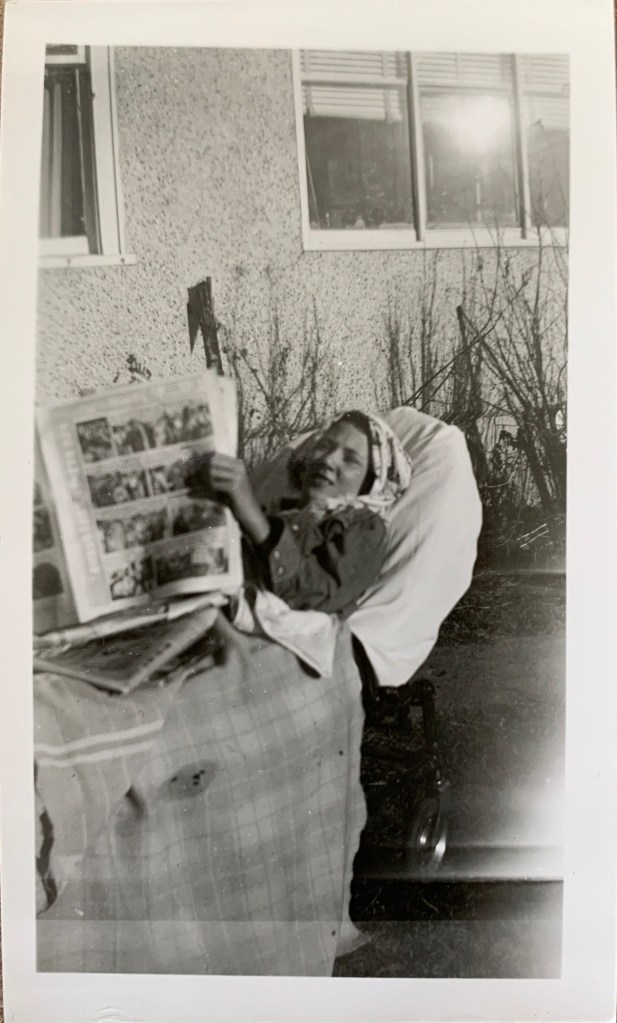
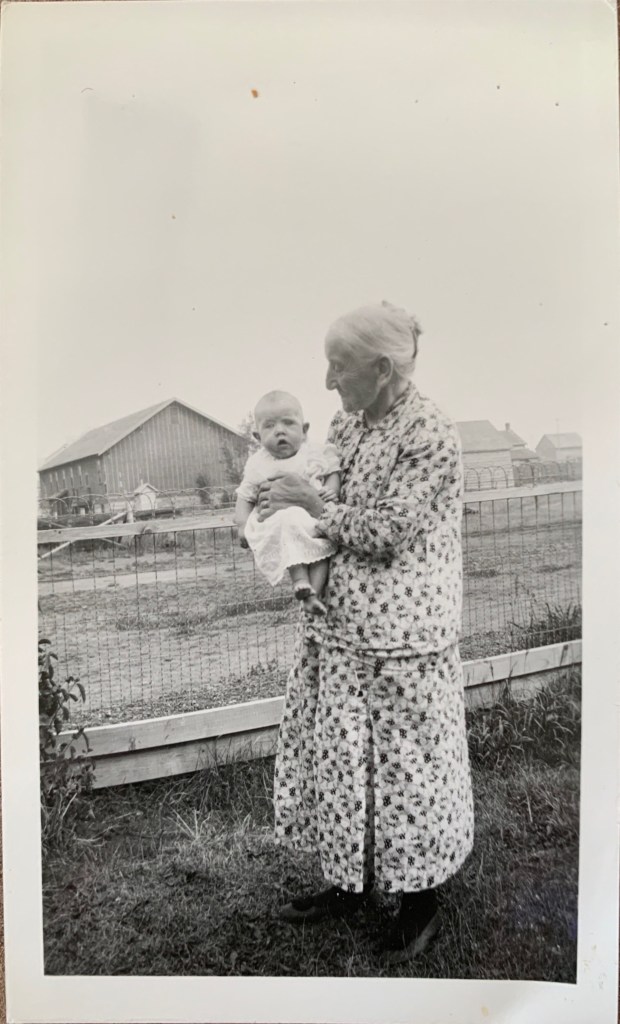
There is a real mixture of photos today: cows, ancestors, horses, home, and mom during the hospital years when she was so sick from polio.
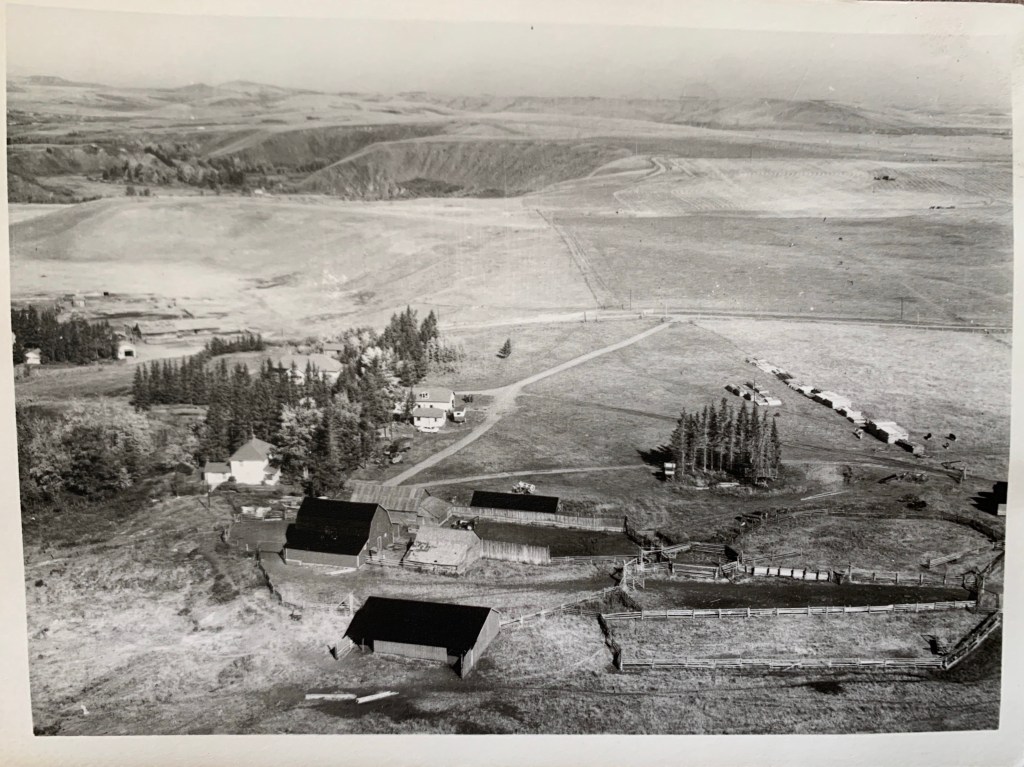
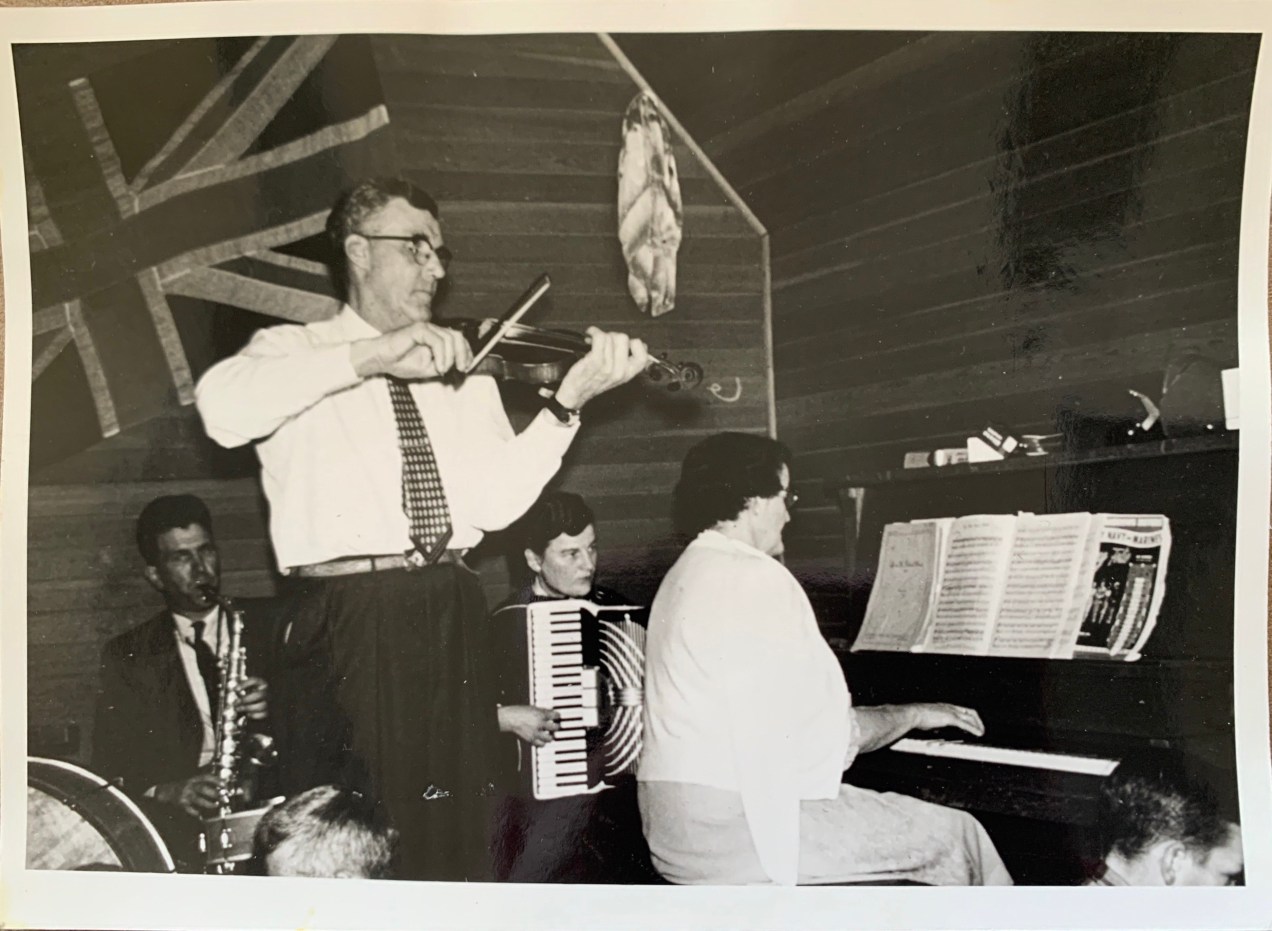
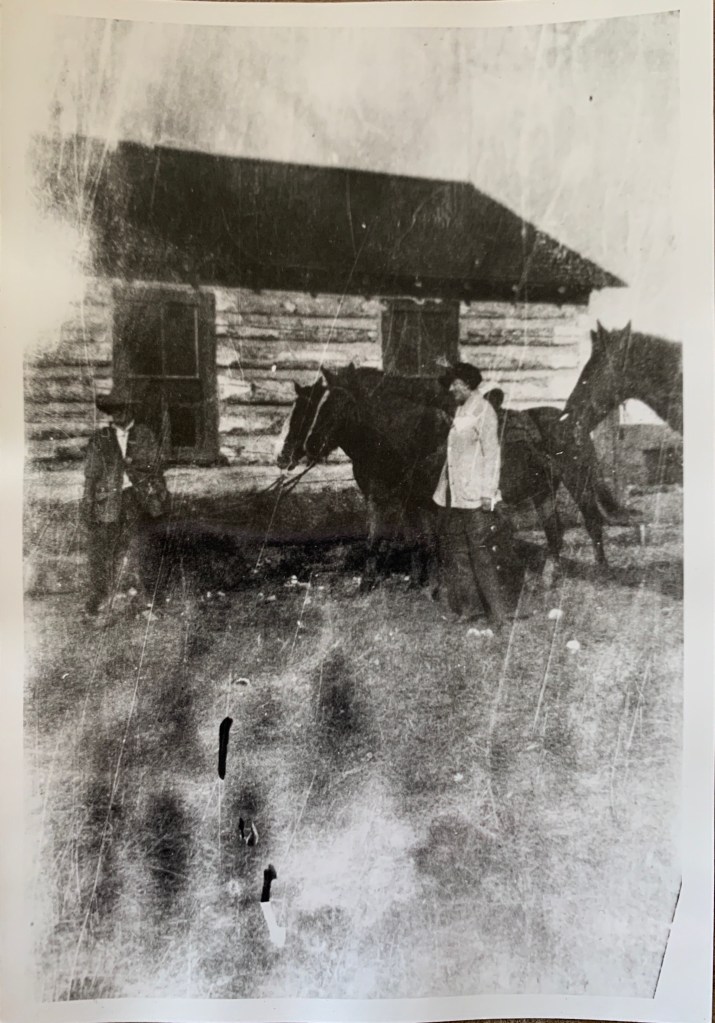
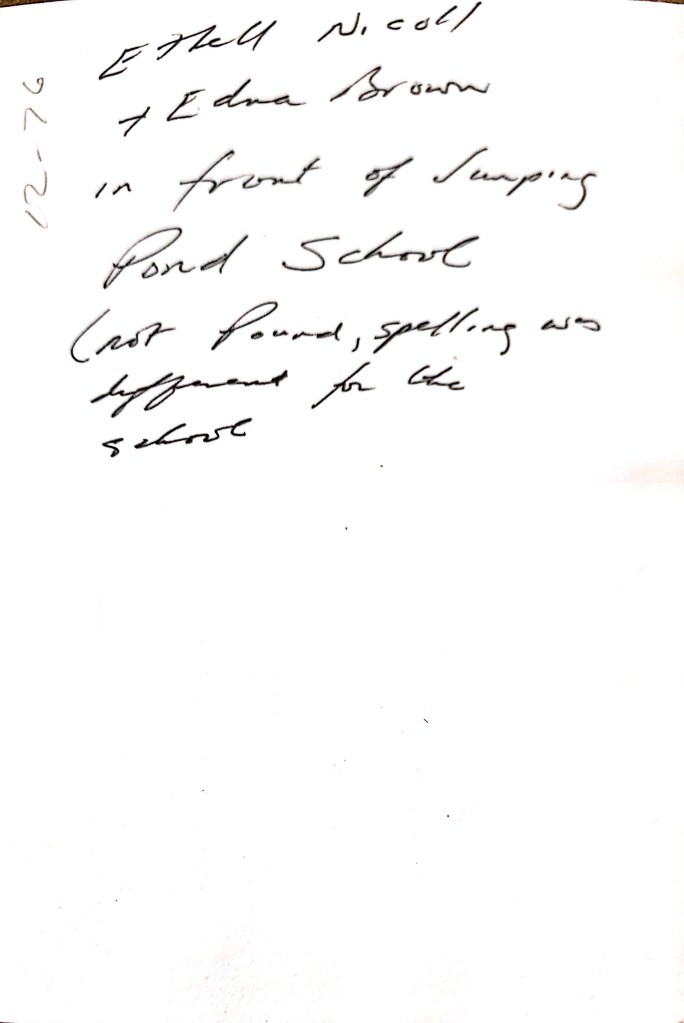
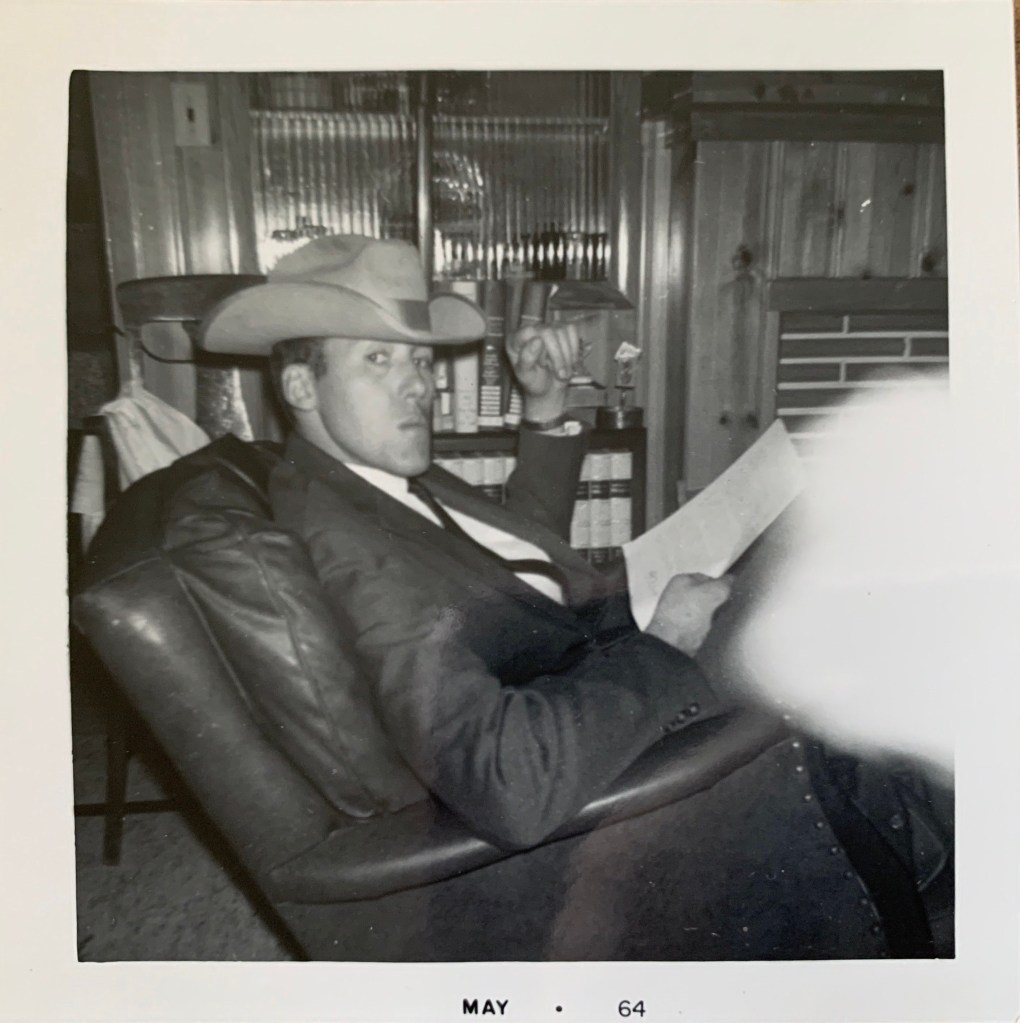
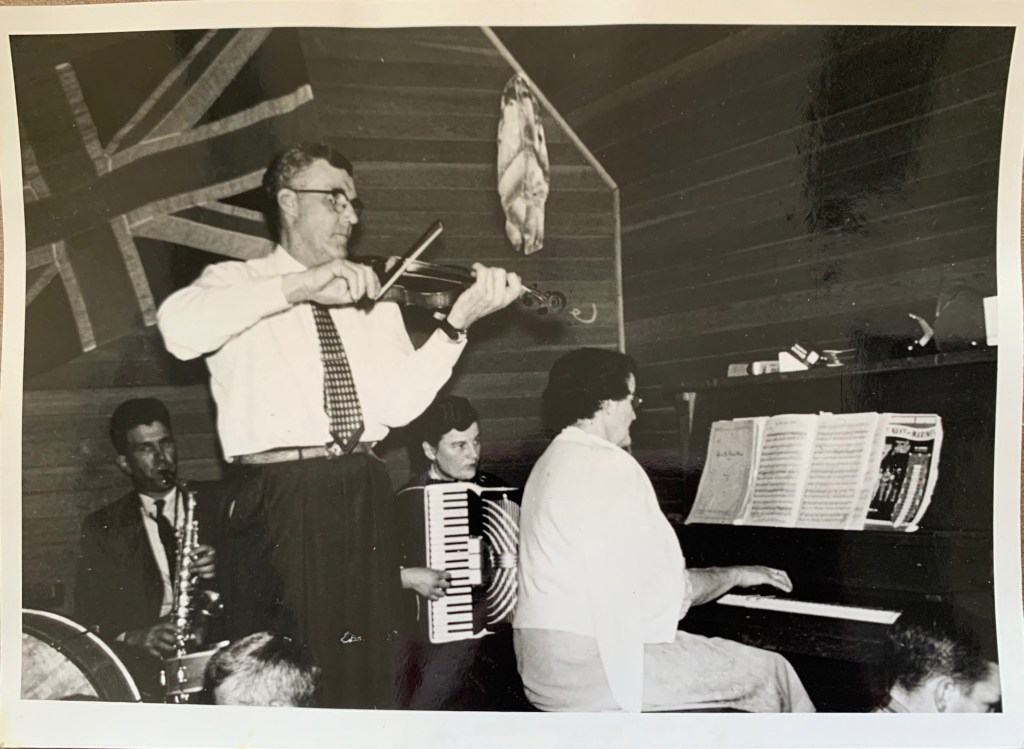
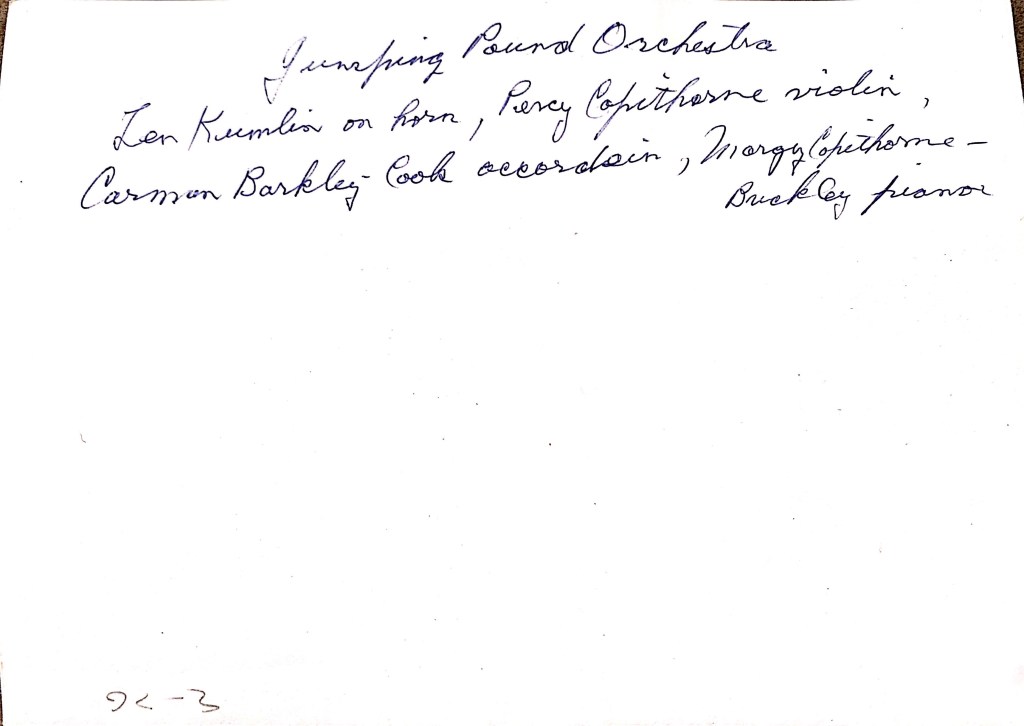
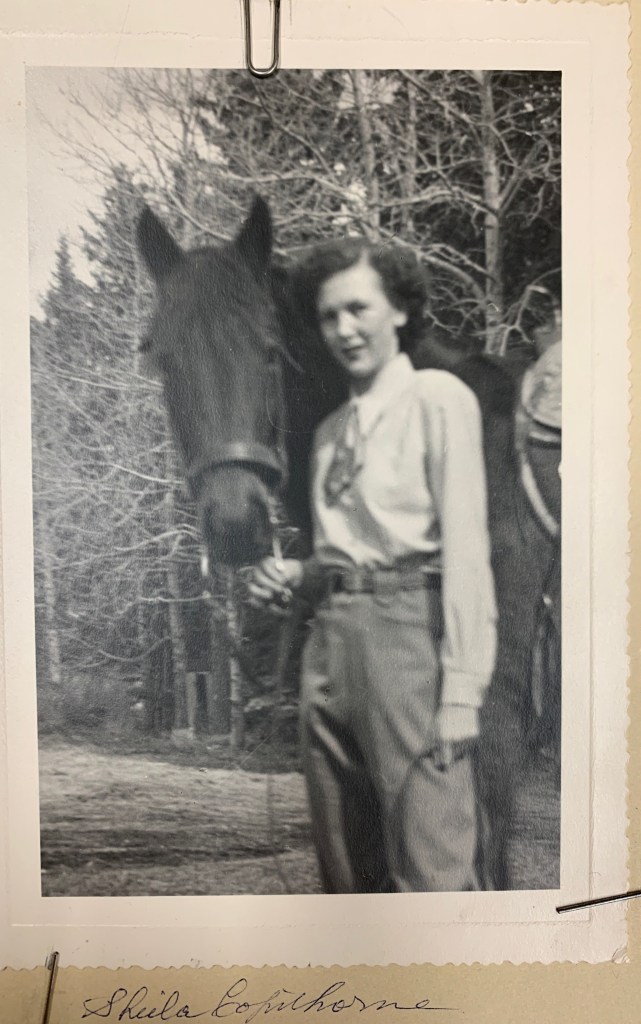
Then by 1947 to the 50s, Margi became quite a good little rider and Clarence gave her a black saddle mare to ride to school if she would let him have Buck for his small fry to start on. Marshall had bought a beautiful little thoroughbred from Laurie Johnson named “Daphne” and Sheila had a fine looking thoroughbred named “Sleepy”. Sheila went to Mount Royal College in 1950. In the spring of 1952 Margi’s mare had a colt so she often rode Daphne to school, and what a lively ride that was as Daphne dearly loved to run. Lorraine Kumlin started Jumping Pound School in 1951 and she tried to ride a very mean horse which no one could ride, and she was just a tiny tot just starting school. Clarence let her ride faithful old Buck. One morning Buck died of a heart attack right at the school gate. Everyone felt they had lost a loyal friend, especially Lorraine and Margi.
All that summer of ‘52 Margi would be sitting on the top of the corral at 6am to see her mare and cute little colt when the men ran the horses in for the haying job. She put in a long day without rest after that. In August she spent a few days in Cochrane with my sister and was very active in there, trying to learn to ride Gordon’s bike. There was no way you could make her take a rest even though we warned her about the epidemic of polio that was raging through the country at that time and she was intelligent enough to be very concerned about it. Then on August 22, 1952 she became very ill and I was almost certain before the night had passed that she had polio. There seemed so little I could do, the doctor said to wait until morning and then bring her in. I have always been thankful to both my parents for the sound religious training they gave me, especially my mother. It gave me strength to bear that night and the severe test of my faith in the following years. Little quotations from the Bible kept coming to my rescue: “Have faith as a grain of mustard seed”, “God can move mountains”, “Lo, I am with you always”, and through it all “Thy will not mine be done”. That quotation took all my strength and faith to believe in, believing in a loving Father who would not willingly hurt His child. And I had to keep Margi’s faith strong too, through these years. Perhaps my greatest strength came from knowing we had the prayers of all our community and friends and relatives everywhere, backing us up and again another quotation “Where one or two are gathered in my name”. How thankful I am now to each one of you because this story does have a happy ending.
You know, I used to complain bitterly about walking the kids to the school bus in the dark and the cold. AND we were living so much further south than here (RI and VA) that we didn’t even have the Alberta cold to deal with. But here’s Grandma and Grandpa walking down the hill to help their kids cross the creek with their horses. Grandma was so gutsy. I kind of knew that when I was younger, but the older I get and especially now reading the letters and her stories- there didn’t seem to be anything that she was afraid of. Or at least nothing that she let stop her. That’s true of all of them – just getting to school took courage.
By 1943 when Marshall was old enough to start school, the Clemons Hill School was moved over to a spot south of Harry Copithorne’s – west of Bateman’s. Marshall rode a very fine old character of a horse named “Buck”. Buck could run very fast, could jump quite well, and was especially skilled in looking after himself, which is a good characteristic in a horse. By now Sheila was riding a beautiful little pinto called “Paint”. I remember one morning when the water was running over the ice in the creek and Paint was just terrified to step into the water knowing there was slippery ice underneath. Percy and I were down trying to get Paint to lead the way. We chose a narrow spot between the bank and the island in the creek but Paint still balked. Buck was getting impatient with it all. Finally I caught a glimpse of Buck out of the corner of my eye and he was all hunched up to jump. I yelled to Marshall to hang on just as Buck jumped from the bank to the island. Poor Marshall, I’ll swear he flew away up in the air as far as the reins would let him but seconds later he landed back in the saddle and led the way for Paint to follow across the creek. He and Buck had many escapades that first year at school.
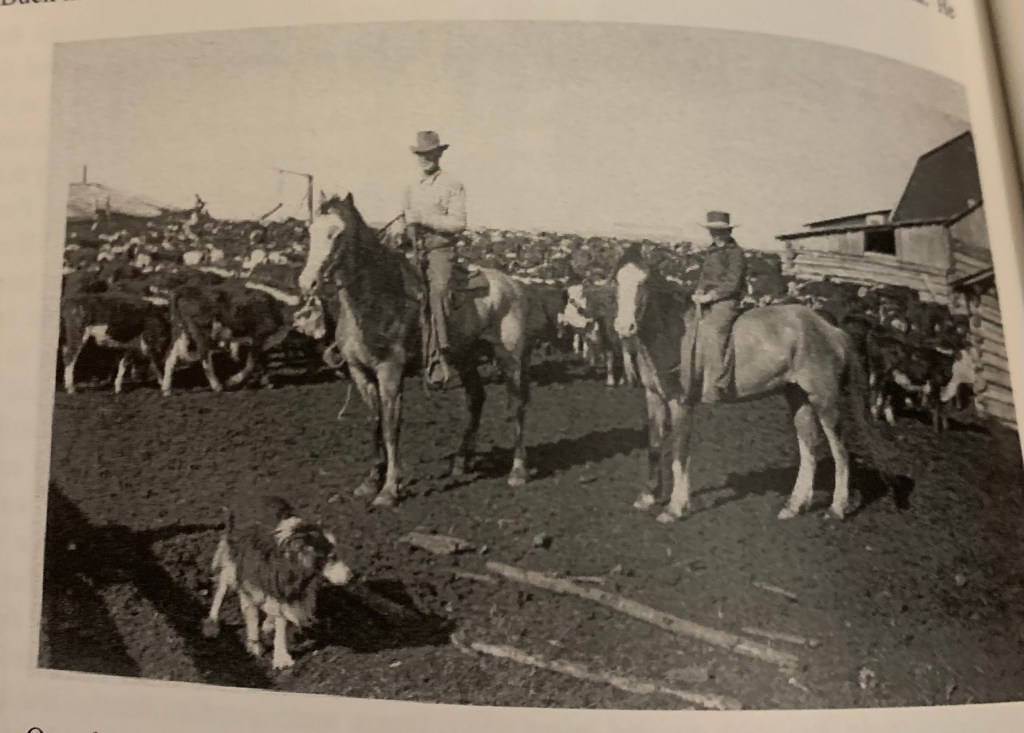
One day when out robbing crows nests he was galloping across a muskeg and Buck stumbled and threw Marshall off onto a broken sliver of a willow. It cut such a gash over his eye and bled so much, the teacher sent someone up to Harry’s to phone me to come and get him right away. It was too muddy for me to get there by car. The men weren’t home. The only saddle horse available was one Chick Coolen had asked Clarence to break for him. It was in the barn and fortunately Clarence had given it a long ride the day before. I was very worried about being unable to ride it, but it didn’t buck when I saddled it and once I was on it I didn’t give it time to think about anything but go. Percy and Clarence came home shortly after and were very worried when they heard what I was riding. Marshall and I were heading home when we met them in a field, driving the Jeep truck. They sneaked up on my horse, grabbing it and ordered me off in no uncertain terms. Poor Marshall got little attention. We decided to doctor it ourselves, as this was the second time he had a wound like this and near the same spot. The other time he was trying to keep up to his dad walking across a corral that had been full of cattle and muddy the day before. The cattle tracks were frozen that cold morning and Marshall had both hands in his pockets and couldn’t save himself. We took him to a doctor and got several stitches in it. This time we teased him and said the doctor would likely only put a zipper in it. But it did leave a scar.
I remember Grandma telling the story of bringing the wild horses to the corral. I was always very firmly “team horse” and as I’ve gotten older and more things have changed I’m glad that we now have other ways that we can work with a horse to let us ride them rather than “breaking them”. However, given the time and the situation I’m not really sure what else there was to do. My little demon Shetland pony Tango, while he wasn’t a wild horse, also headed off to the fox farm after he finally attempted to kick Dad in the head – instead landing both evil little hooves on each shoulder. Apparently him trying to murder me on a daily basis while I rode him wasn’t quite enough – but the boot to the head was the straw that broke the camel’s back.
About the time I spoke of when I bought Sheila and Marshall sleds, we had what we call open? winters. In the fall it would rain, then freeze, and then rain again.
Those were the years when our range was infested with wild horses. We would haul blocks of salt up to Sibbald Park and other ideal areas to feed the cattle and the bands of wild horses would come down and drive the cattle away from the salt and also eat the cream of the crop of grass to be found there. Our men all rode bigger and stronger horses than in most districts because they needed a wonderfully strong and intelligent horse under them to be able to race across the muskeg, fallen timber, and badger holes without piling up. And they had to stand an all day ride.
The fall when the ice formed over the pasture was hard on the wild horses. Our men decided to put new shoes on their mounts and go after those slicks and clear the range of them. They were successful in rounding up several hundred and bringing them down to the big corral at the Star, then here. The fact that the saddle horses were shod and the wild ones weren’t was a great advantage. But no one could match the cunning tricks of escape those creatures knew. When they got them to the Star corral they had to rope the leaders of each band of horses. They had to put several ropes on it to hold it and get it down. Then they put a rope through its mouth and under its jaw with a tourniquet in it and twist hard enough to hurt enough to keep the pony’s mind on fighting that and only that. They turned them out and headed for home. What a ride that was! Fences meant nothing to that herd of horses. Only the solid log corrals would hold them. I’ll never know how they got them here but they did. I went out to the corral to see them and have regretted ever since that I didn’t take a picture. They were small and scrubby little horses, their hooves were long and turned up. Their mane dragged in long ratty masses to the ground and so did their tails. When anyone would dare step into the corral they would charge him with their mouthes open to bite and would wheel and kick so fast you could hardly see them. Just a long-haired shaggy bundle of dynamite.
After getting them here, then and only then did the men start to wonder what they would do with them. I can tell you that I was kept busy. for the next few days it was not unusual to have dozens of extra men for meals. The government men were here to see that everything was legal. There were scores of Indians and whites who tried to claim what their thought might be their horses now they were safely available. Nearly all were slicks (no brand) and just had to be turned over to the government to be sold as fox meat (fox farms were popular then). But getting them anywhere was a major problem for any but the most skilled horsemen. When all the dirt settled and they were gone, our men nearly sat down and cried when they saw the miles of broken fences to be repaired. The range was a better place for cattle for the next few years.
Clarence did manipulate another wild horse drive a few years later. His was a sheer case of having to outwit them. He built a trap back there somewhere and managed to bring down a fair number. A few were quite good looking horses and he was at the age when he rode broncs, so he had fun trying to ride some. His friend Chet Baldwin nearly got killed out in our corral trying to ride them too. So the fun cooled off.
I read these stories and I have to ask – If the generations before us knew what little asshats Shetland ponies were, whey did they make us ride them??? Aren’t we supposed to be making life easier for the generations that follow us??? I suppose it must have been an early method of toughening us up haha. Here’s A link to a write up about that war prison camp Grandma mentions.
One fall a cattle buyer who bought our steers, gave Marshall a Shetland pony when he was about four years old. I have never liked Shetland ponies but Marshall was very happy and wanted to be on it all the time. One fine afternoon when I decided to ride across the creek and get the milk cows in, I let Marshall ride his pony and come with me. My horse stopped half way across the creek to have a drink and I looked back to see how Marshall was doing. Clarence was building a fence nearby. The Shetland had stopped at the edge of a deep pool to have a drink too, and I could see both Marshall and the saddle were slowly sliding over his head. I called to Clarence just about the time Marshall plopped into the cold water. The dumb Shetland sat on the bank like a dog sits down and it had the saddle on its head like a hat. Clarence and I both headed to the rescue but things happened too fast for us. Marshall no sooner hit the water when he bounced out again and was in a howling rage. It all looked so comical. Clarence and I just went into helpless laughter which only made Marshall furious. He walked home in a huff and we were so weak from laughing at that crazy looking pony we could hardly get the saddle off. Later that pony ran away with Sheila one day and threw her onto a big rock and broke her elbow.
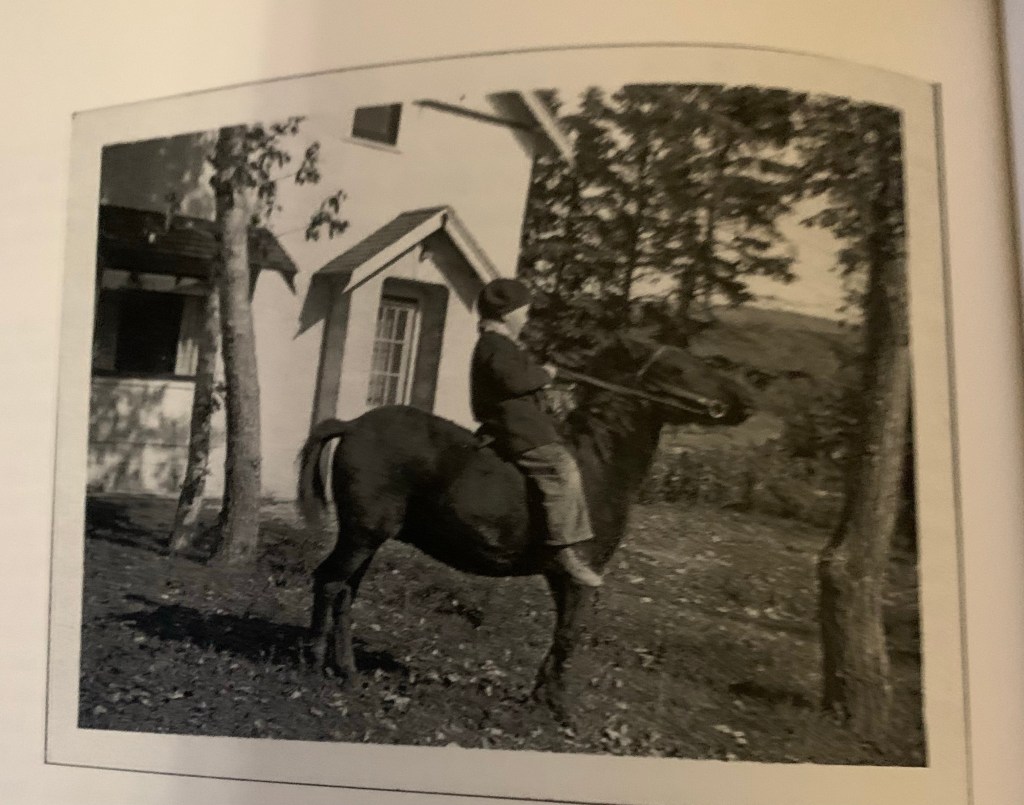
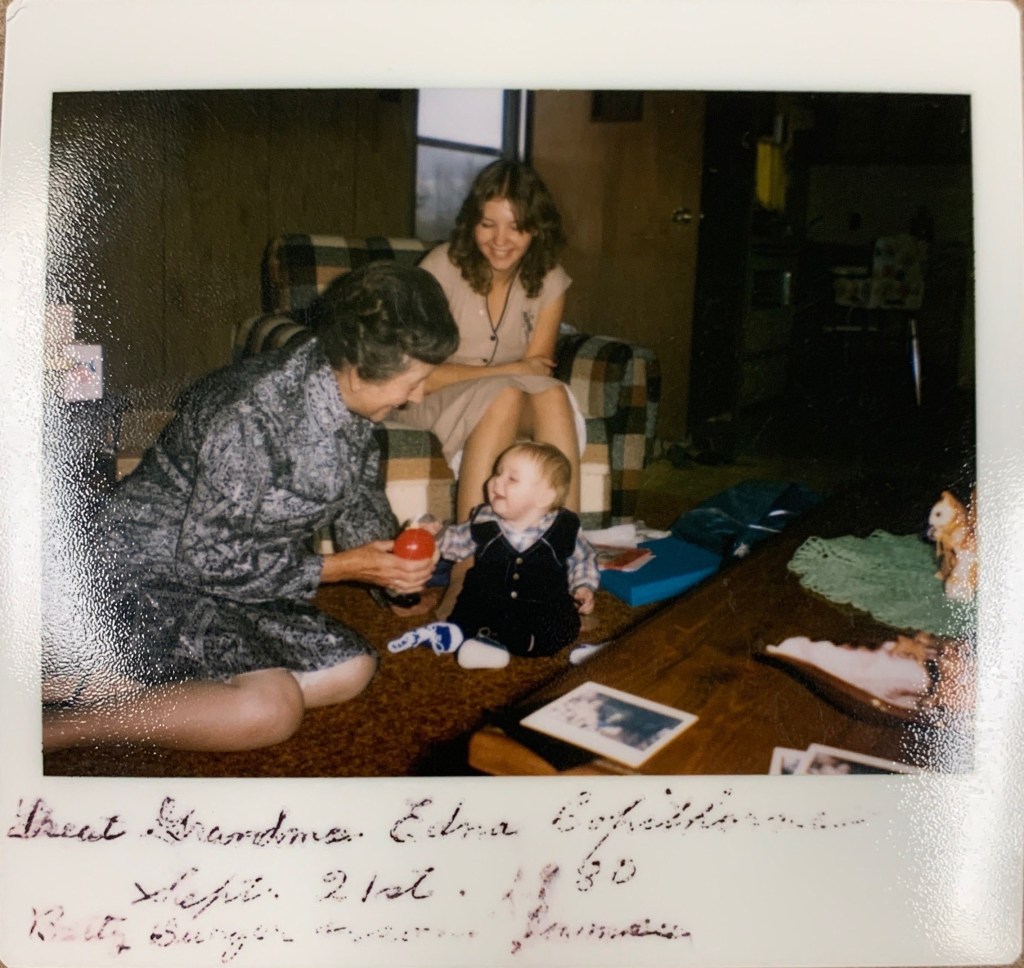
My father had sold his farm and rented an apartment in Calgary. While Sheila was in the hospital with her broken arm – it had to be broken a second time to get it right – my Dad visited her every day and read stories to her. He also helped Percy cut crop a few times when help was scarce. He loved the children dearly and always called Margi “Peggie”. The last day he visited us in November 1942, Marshall and Margi clung to his legs and begged him to stay but he had two companions with him and returned to town. That night he died of a heart attack.
As the war advanced, our lack of manpower became a real problem. The French Canadians came to work in the harvest fields but were unused to our ways. One year we had a harvest crew of soldiers and they were very good. The Indians helped us a lot as long as the work wasn’t too steady, and we always liked working with them. During the war there was a war prison camp up at Kananaskis and every now and then one or two would escape and we were about the closest area of civilization. We were nervous but usually the persons were quite thankful to be captured again after a night or two in this rugged country.

